
What this covers
Separate feeding areas
Using rooms, baby gates, or elevated stations to keep dogs away from cat bowls.
Microchip feeders
Selective feeders that only open for the pet they’re programmed to recognise.
Food storage
Keeping both diets sealed, labelled, and out of reach of the other pet.
Preventing food theft
Routines and barriers that stop a fast dog from finishing a cat’s meal.
Water stations
Placing fresh water where both animals can drink without competing.
Guides for feeding
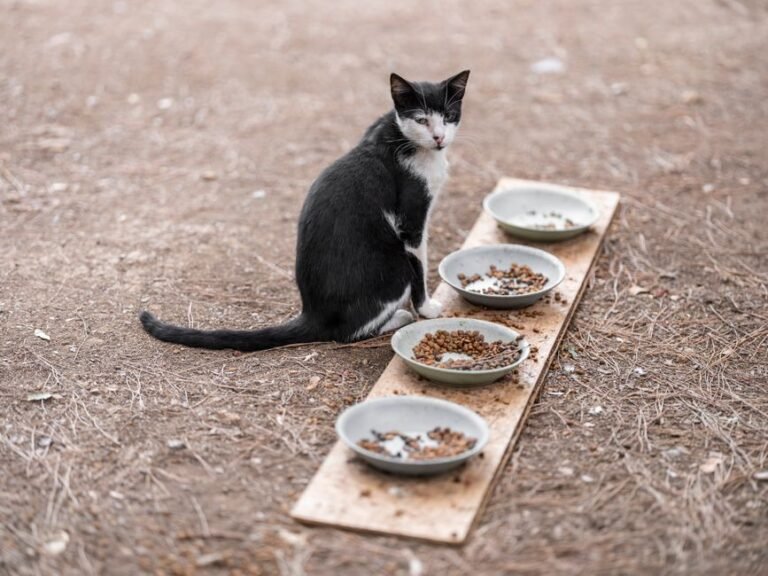
Can Cats and Dogs Share a Water Bowl? The Hydration Setup That Actually Works for Both
Yes, cats and dogs can technically drink from the same bowl, but their drinking styles are different enough that sharing one often backfires. Here's how to set up water sources…
Read the guide
My Cat (or Dog) Is on a Prescription Diet: How Do I Stop the Other One From Eating It?
When one pet is on a vet-prescribed diet, a single stolen bite from the other species isn't just rude — it can undo weeks of treatment. Here's how to lock…
Read the guide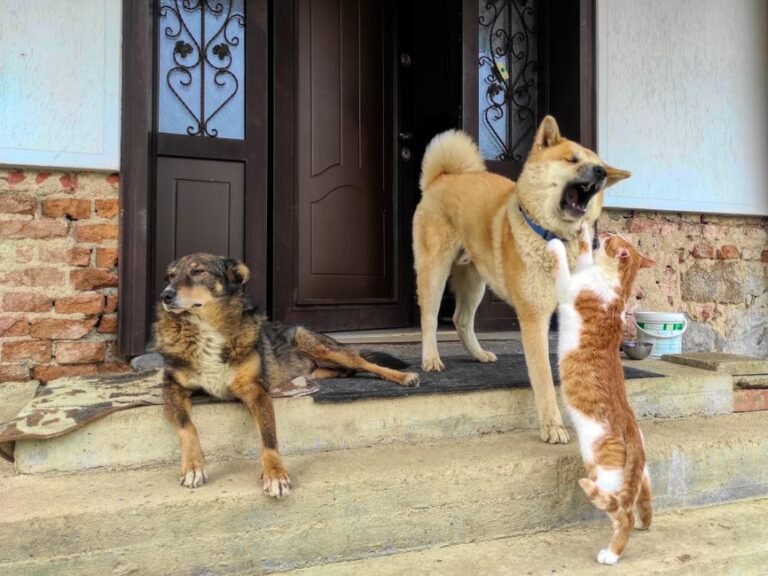
How to Free Feed a Cat With a Dog in the House (Without the Dog Eating It All)
Cats are natural grazers; dogs inhale food in seconds. Here's how to let your cat nibble all day while your dog never gets a single bite.
Read the guide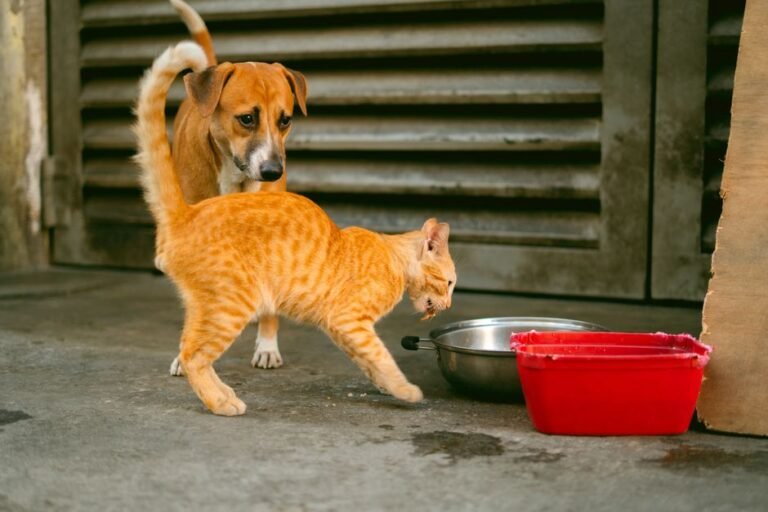
Can Dogs Eat Cat Food? What’s Dangerous, What’s Fine, and When to Call the Vet
A one-off bowl raid usually isn't an emergency, but habit and direction matter. Here's what happens when your dog eats cat food, when your cat eats dog food, and the…
Read the guide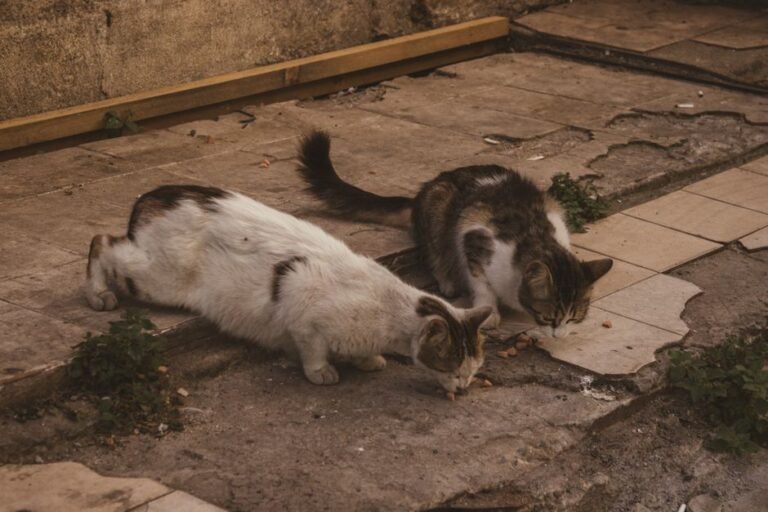
Cat and Dog Feeding Schedule: A Room-by-Room Daily Routine That Ends Food Theft
Most feeding advice tells you to use separate rooms and stops there. This is the full daily cat and dog feeding schedule — timed, room-by-room — built around how cats…
Read the guide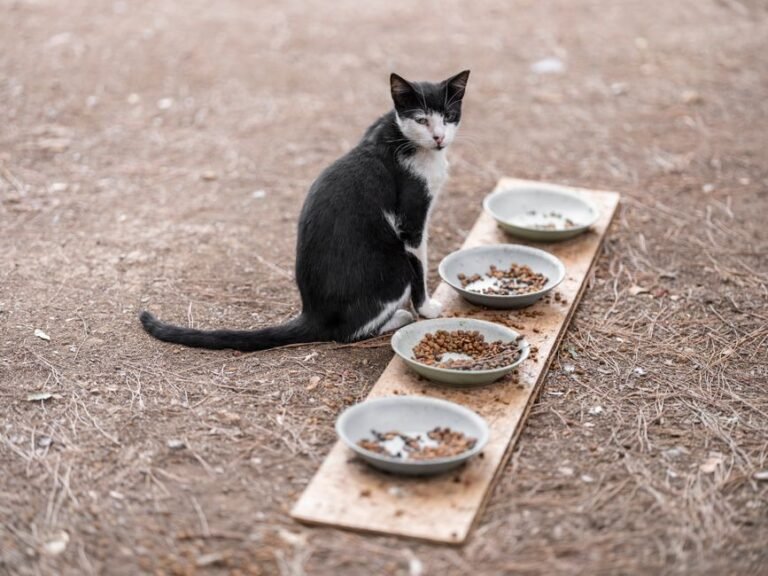
Where to Put the Cat’s Food So the Dog Can’t Get It: 9 Feeding Station Setups That Actually Work
A picky cat and a fast dog under one roof turns mealtime into a race. Here are nine practical, product-neutral feeding station setups that keep the dog out of the…
Read the guideExplore other categories
Better homes for cats, dogs, and the people who love both.