How to Keep a Home Clean With Both a Cat and a Dog
Two coats, two sets of habits — here’s a routine that actually keeps up with both.
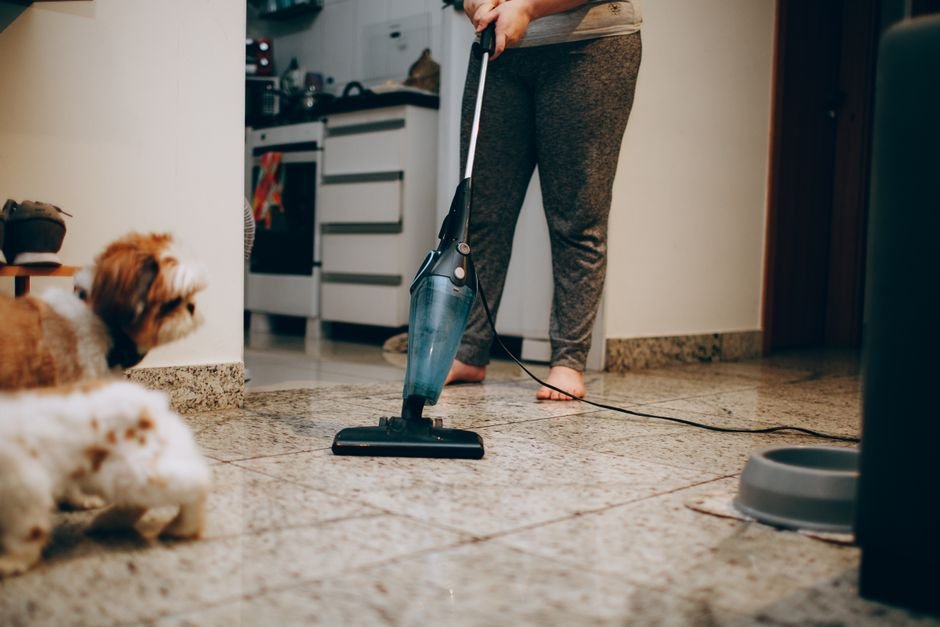
Keep on top of pet hair and odour with a short daily pass (quick vacuum or sweep, wipe bowls), a deeper weekly clean (carpets, bedding, litter furniture), and regular grooming for both animals — grooming reduces the hair and dander that cause most of the mess in the first place.
Key takeaways
- ✓Grooming your pets regularly cuts down on loose hair before it ever reaches your floors and furniture.
- ✓Cats and dogs shed differently and need different tools — a rubber-bristle brush lifts embedded cat hair that a standard vacuum brush roll can miss.
- ✓Enzyme cleaners break down odour-causing bacteria at the source, rather than masking the smell.
- ✓A short daily routine prevents the kind of buildup that turns into a long, unpleasant weekend clean.
Why a two-pet home needs its own routine
A cat and a dog shed differently, groom differently, and leave different messes — a single-species cleaning routine usually misses at least one of them. Cat hair tends to work its way into carpet fibres and upholstery, while dog hair collects more in corners and along skirting boards. Add two feeding areas, a litter box, and twice the dander, and it’s easy to see why “just vacuum more often” isn’t quite a complete answer.
A daily routine that takes ten minutes
- A quick vacuum or sweep of high-traffic areas — hallways, near doors, and wherever your pets nap.
- Wipe down food and water bowls for both animals; residue here attracts more than just dust.
- A daily scoop of the litter box, which does more for odour control than almost anything else on this list.
A weekly deep clean
- Vacuum carpets and upholstery properly, including under furniture where hair collects.
- Wash pet bedding — it accumulates hair, dander, and odour faster than almost anything else in the house.
- Wipe down or vacuum any litter furniture, covered boxes, or cat trees, which trap hair and litter dust.
- Sprinkle baking soda on carpets and fabric furniture, leave for 15–30 minutes, then vacuum it up — a simple, pet-safe way to neutralise odour between deeper cleans.
The tools worth having
A vacuum with strong suction and a HEPA filter makes the single biggest difference, especially if anyone in the household has allergies. Add a rubber-bristle brush or squeegee for pulling embedded hair off upholstery and rugs that a vacuum alone won’t lift, plus an enzyme-based cleaner for accidents — enzyme cleaners break down the organic matter causing the smell, rather than covering it up the way many fragranced sprays do.
Grooming: the cleaning step that happens before the mess
The single most effective way to reduce pet hair in your home is to catch it before it falls out on its own. Brushing both your cat and your dog at least once a week — daily for heavy shedders, especially in warmer months — removes loose hair at the source instead of leaving it for your floors and furniture to deal with.
Frequently asked questions
What’s the single best product for pet odour?
An enzyme-based cleaner for accidents, paired with a good HEPA vacuum for everyday dust, hair, and dander — the combination handles both the visible mess and the smell.
How often should I really be vacuuming with two pets?
A quick pass daily in high-traffic areas, with a full, thorough vacuum at least once a week — more often during seasonal shedding.
Do air purifiers actually help?
Yes, particularly ones with a HEPA filter — they capture airborne dander that settles back onto surfaces you’ve already cleaned, which is especially useful for allergy sufferers.
Litter and odour control go hand in hand.
Sources and further reading
Follow cleaning-product labels and keep pets away during use and from residues. See ASPCA: poisonous household products.
Filtration complements source control and particle filters do not remove every gas. See US EPA: air cleaners and air filters in the home.
These references provide background for the guidance above; they do not establish product testing or endorsement of a particular home layout. For individual health concerns, ask your veterinarian.

Better homes for cats, dogs, and the people who love both.