The Smart Pet Tech That Actually Helps in a Multi-Pet Home
Feeders, fountains, and cameras built for a house with more than one animal in it.
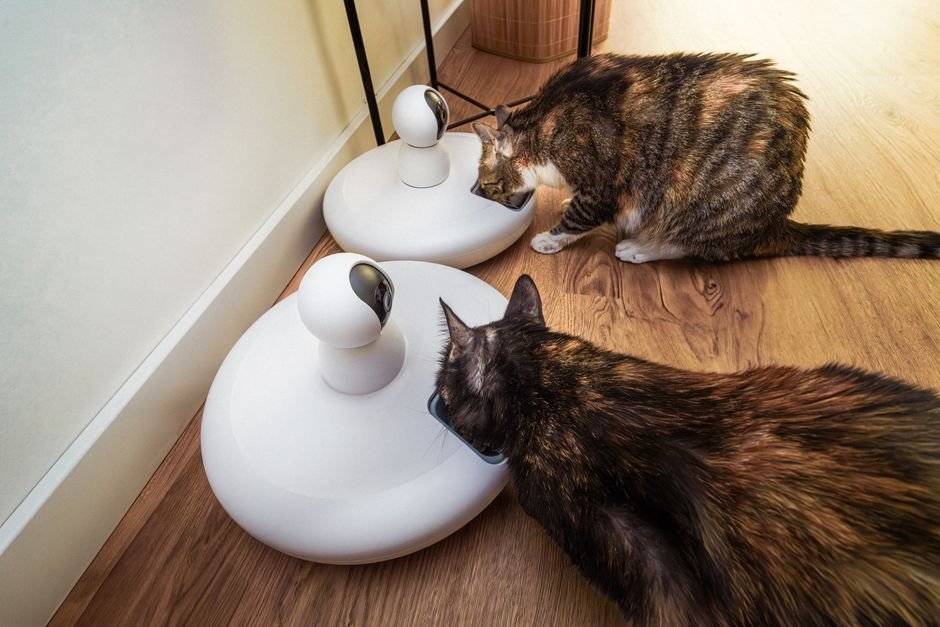
The smart pet products worth prioritising in a multi-pet home are microchip or RFID feeders (which solve food-stealing at the source), camera-equipped feeders (for peace of mind while you’re out), and multi-pet water fountains that track each animal’s intake separately.
Key takeaways
- ✓Microchip feeders open only for the pet they’re registered to, which is the most reliable fix for one animal eating another’s food.
- ✓Camera-equipped feeders add remote monitoring on top of scheduled or portion-controlled feeding.
- ✓RFID water fountains can log intake per pet — useful for spotting early signs of illness in multi-cat homes especially.
- ✓Buy for the specific problem you have, not the longest feature list — a simple timed feeder is sometimes all a two-pet home actually needs.
Start with the problem, not the gadget
Smart pet tech is genuinely useful in a multi-pet home, but only when it’s solving a real, specific problem. The three categories below cover the situations that come up most often in a cat-and-dog household — food theft, hydration, and simply wanting to check in while you’re away.
Microchip and RFID feeders
These feeders read a pet’s existing microchip (or a small RFID tag on the collar) and only unlock for the animal they’re programmed to recognise. For a home where a dog keeps finishing the cat’s food — or a cat on a prescription diet needs to be the only one eating it — this solves the problem directly, rather than relying on room layout or timing to keep working every single day.
Look for one that supports more than one registered pet if you have multiple cats sharing a feeding area, and check the seal design — a fast, determined dog can sometimes nose open a feeder with a weak closing mechanism.
Camera-equipped feeders
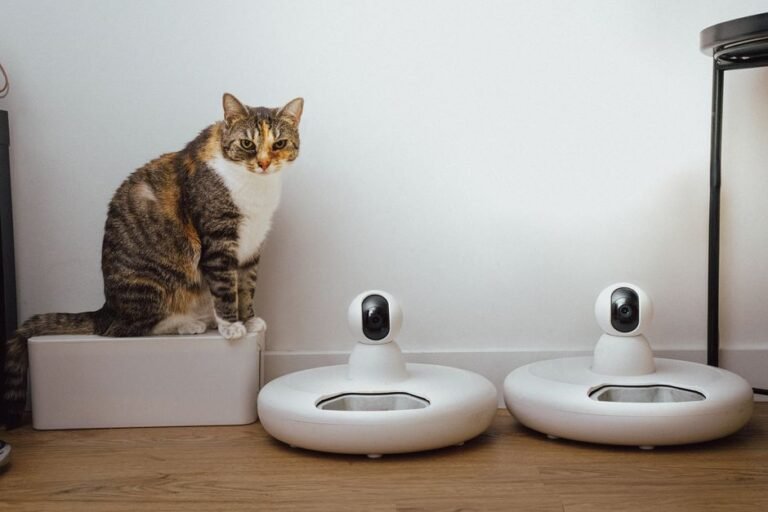
These combine a scheduled or portion-controlled feeder with a built-in camera and two-way audio, so you can see who’s actually eating and when — useful for confirming a shared feeding area is working as intended, or just for keeping an eye on things while you’re at work.
Smart water fountains
A shared water bowl is easy to overlook, but cats in particular often drink more from moving water. An RFID-enabled fountain that logs intake per pet is a genuinely useful early-warning tool in a multi-cat home, since a sudden drop in one cat’s water intake can be one of the first signs something’s wrong — well before other symptoms show up.
What to check before you buy anything
Confirm it actually supports multiple pets (some “smart” feeders are single-pet only despite the marketing), check the app doesn’t require an ongoing subscription for basic features, and make sure replacement parts (filters, batteries, seals) are easy to source before you commit to a specific brand.
Frequently asked questions
Are microchip feeders worth it if I only have one dog and one cat?
If food-stealing is an ongoing problem despite separate rooms or schedules, yes — it’s one of the few tools that solves it completely rather than just reducing it.
Do smart feeders work without wifi?
Basic scheduled and microchip-recognition feeding usually works without wifi; you’ll just lose app notifications, remote control, and camera access until it’s connected again.
What’s the most common mistake people make buying smart pet tech?
Buying based on features rather than the specific problem at hand — a camera-equipped feeder doesn’t help with food theft if it isn’t also microchip-restricted.
See how this fits into the rest of your feeding setup.
Sources and further reading
The physical environment and opportunities for natural behaviour matter for cat welfare. See FelineVMA: meeting the needs of indoor cats.
Check specific model instructions before relying on access control. See SureFeed microchip pet feeder specifications.
These references provide background for the guidance above; they do not establish product testing or endorsement of a particular home layout. For individual health concerns, ask your veterinarian.
Better homes for cats, dogs, and the people who love both.