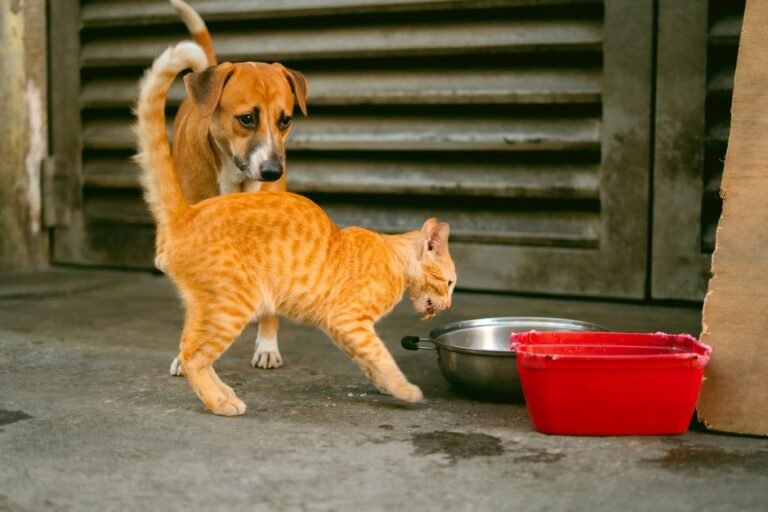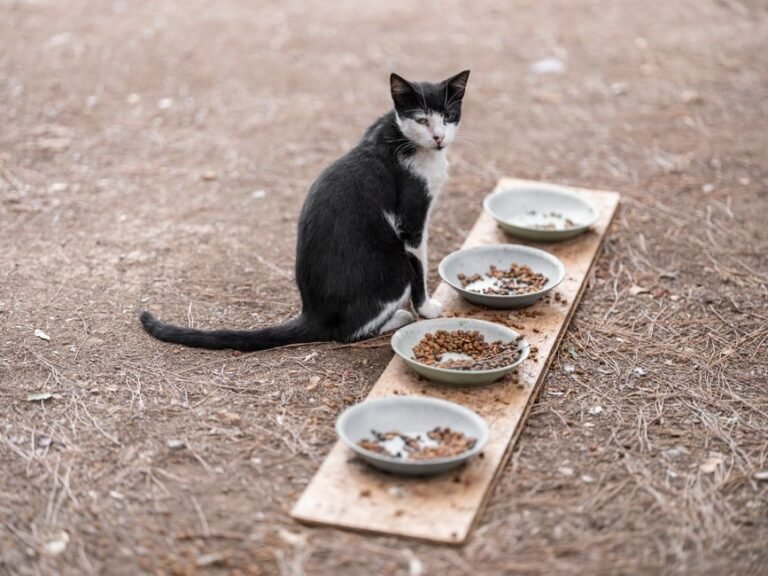
Can Cats and Dogs Share a Water Bowl? The Hydration Setup That Actually Works for Both
Why the answer isn’t a simple yes or no, and how to build a water station both species will actually use
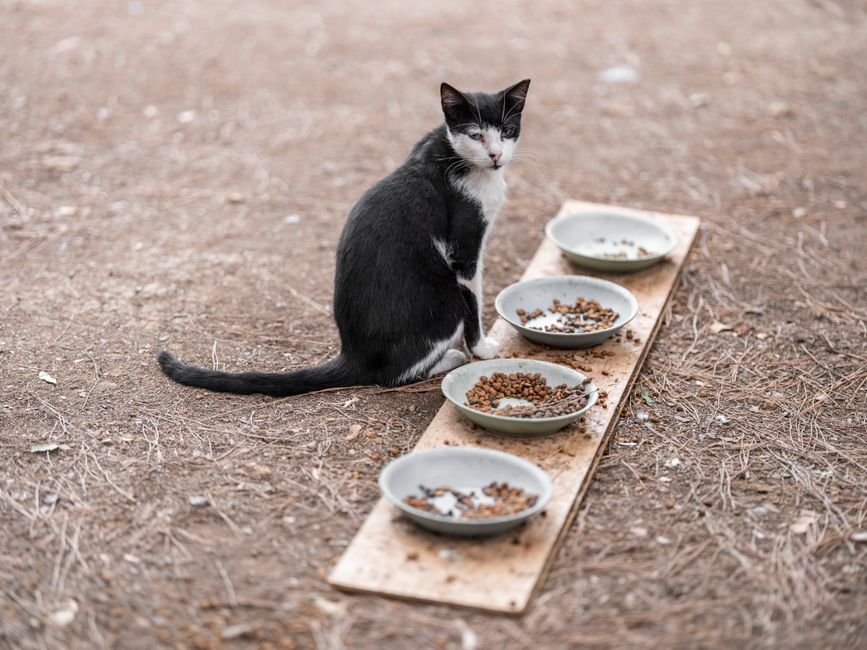
Cats and dogs can physically drink from the same water bowl without getting sick under normal circumstances, but it usually isn’t the best setup. Dogs gulp, drool, and dunk their whole muzzle in, which clouds the water and makes it less appealing to cats, who prefer still, clean water away from a food zone. The better answer isn’t ‘share or don’t share’ — it’s giving each pet a water source suited to how they actually drink, positioned so neither one guards or avoids it.
Key takeaways
- ✓Technically safe doesn’t mean ideal: dogs’ drinking style contaminates water fast enough that cats often just stop drinking from a shared bowl entirely.
- ✓Cats are whisker-sensitive and prefer wide, shallow, still water — the opposite of what most dog bowls offer.
- ✓Separate bowls in the same general area (not the same bowl) solve 90% of multi-pet water complaints.
- ✓Dog-proofing a cat fountain is usually easier and cheaper than forcing two species to share one source.
- ✓Where you place water matters as much as what you put it in — proximity to food, litter, and high-traffic zones all affect whether a cat will drink at all.
Can Cats and Dogs Share a Water Bowl? The Short Answer
Physically, yes. There’s nothing inherently dangerous about a cat and dog drinking from the same bowl of clean water. They’re not going to transmit anything to each other through shared water that they wouldn’t already be exposed to living in the same house. So if your cat and dog have been happily sipping from one bowl for years with zero issues, you don’t need to fix something that isn’t broken.
The real problem shows up in how differently the two species drink. Dogs tend to submerge part of their muzzle, drip saliva back into the bowl, and often nose food debris into the water right after eating. Cats are far more particular — they dislike water that smells like dog, looks cloudy, or has been splashed out of its container. In a lot of households, the ‘shared bowl’ arrangement quietly turns into the dog’s bowl that the cat has stopped using, which is where under-hydration problems start without the owner noticing.
So the honest answer is: sharing is allowed, but it’s rarely optimal once you understand what each pet actually needs from their water source.
Why Do Dogs and Cats Drink So Differently?
Dogs lap water by curling their tongue backward and scooping it up in a fairly inefficient, splashy motion — which is why there’s almost always a puddle under the bowl. They’re also less fussy about freshness; a dog will happily drink water that’s sat out all day, even with floating fur or kibble crumbs in it.
Cats lap more precisely, using the tip of the tongue to flick thin columns of water into their mouths, and they’re highly sensitive to whisker fatigue — the discomfort caused by whiskers brushing against the sides of a narrow or deep bowl. That’s why cats often prefer wide, shallow dishes or moving water from a fountain over a static bowl. Combine that preference with a dog constantly disturbing the water, and you get a cat that simply drinks less, which over time can contribute to issues like concentrated urine or lower overall water intake.
This difference is also why so many single-species pet sites publish near-identical posts asking whether sharing a bowl is fine — they’re each only seeing half the picture. A multi-pet household needs an answer that accounts for both drinking styles happening in the same kitchen corner.
Where Should You Put Each Water Source?
Placement solves more water-sharing problems than the bowl itself does. Cats generally want their water away from their food (in the wild, a water source near a kill site is more likely to be contaminated, and that instinct hasn’t gone away) and away from heavy foot traffic. Dogs, on the other hand, are usually fine with water right next to their food bowl.
A practical layout: keep the dog’s water where it already eats, inside the same feeding zone covered in our feeding section, and give the cat a second water source in a quieter spot — a hallway nook, a windowsill, or even a separate room if your dog is a known water-bowl raider. If your dog already roams the yard through a cat-proof dog door, that same door setup logic — controlled access, separate zones — applies just as well to water placement.
If floor space is tight, elevation works as a substitute for distance. A raised bowl on a stand, placed at dog-nose height but awkward for a dog to tip or paw at, can keep a shared room workable without needing two separate rooms.
Is a Cat Water Fountain Dog-Proof?
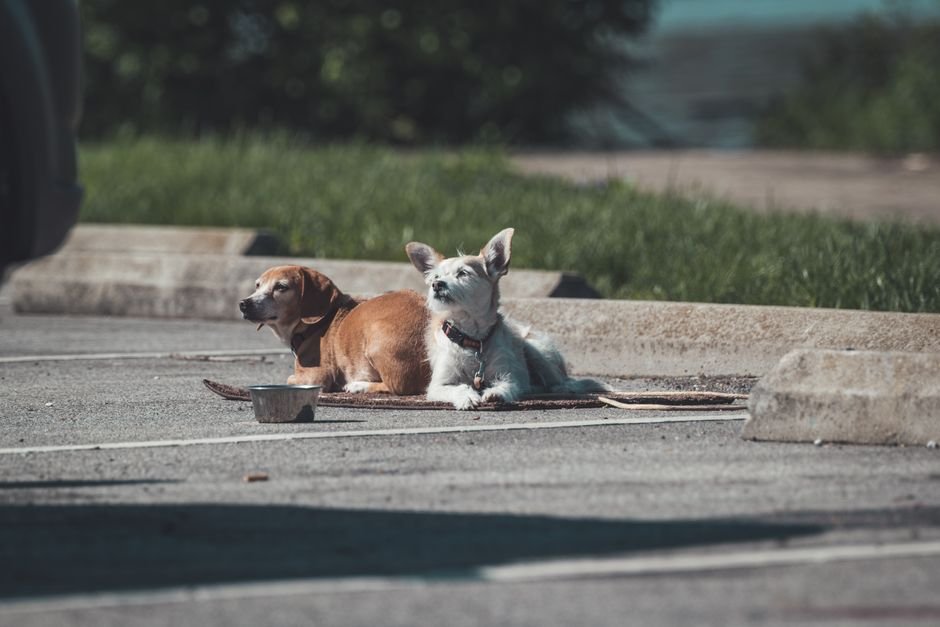
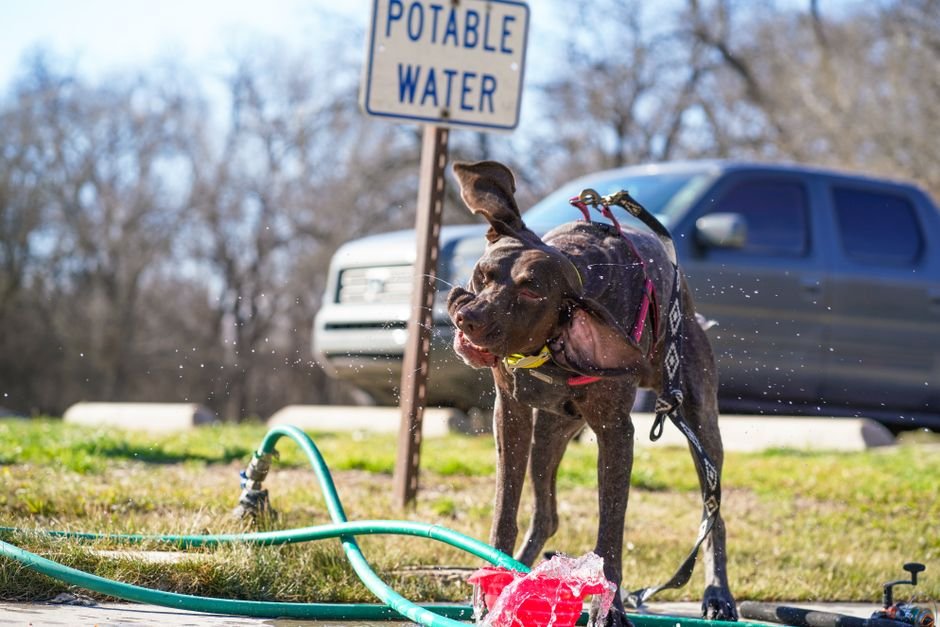
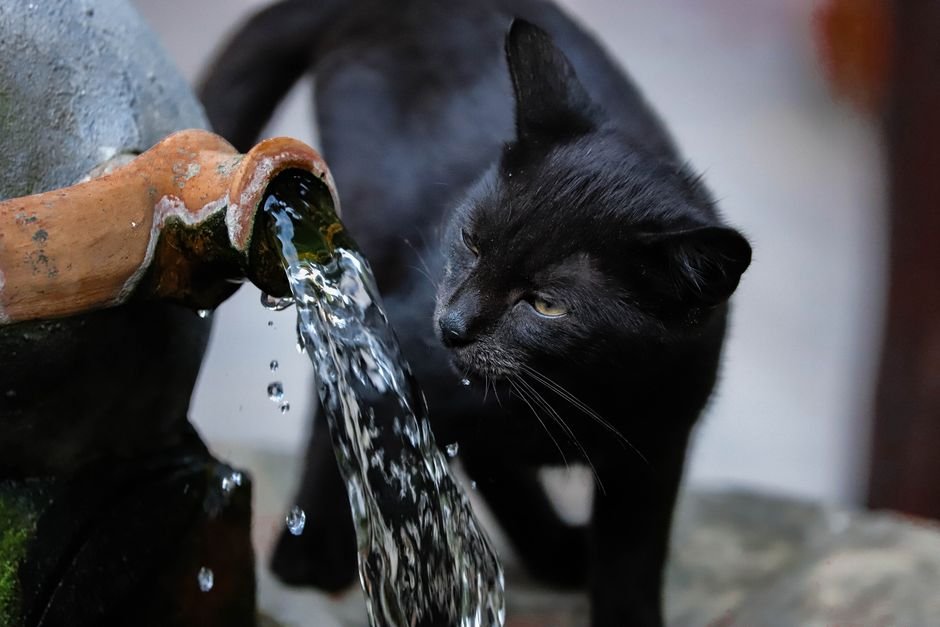
Most cat water fountains are designed around the exact preferences we already covered — wide basins, moving water, whisker-friendly edges — which unfortunately also makes them attractive to dogs. A fountain’s gentle trickle is often more appealing to a dog than a static bowl, so ‘cat fountain’ doesn’t automatically mean ‘dog won’t touch it.’
To actually dog-proof a fountain, look for models with a narrower top opening that still accommodates a cat’s face but is harder for a larger dog muzzle to fully access, or place the fountain inside a cat-only area protected by a microchip door or baby gate with a cat flap cut-out. Weight matters too — a heavier ceramic or ridged-base fountain is harder for a determined dog to nudge over or drag across the floor.
If you’ve already tried getting both pets to drink from one unit, our dedicated guide on getting a cat and dog to actually use the same smart water fountain goes deeper into filter choice, flow rate, and noise tolerance for skittish cats.
Setting Up a Dual Water Station in a Shared Feeding Zone
The goal isn’t to redesign your whole kitchen — it’s to treat water the same way you’d already treat food in a multi-pet household, with two distinct stations that happen to live near each other. Start with the dog’s bowl in its usual spot, ideally on a non-slip mat to catch spills before they spread to carpet or hardwood.
Then add the cat’s water a few feet away, slightly elevated or tucked behind a low barrier, so the cat has a sightline to the room (cats don’t like drinking with their back to open space) without the dog’s bowl in direct view. This mirrors the same logic we use in our guide to free-feeding a cat with a dog in the house — proximity is fine, but the pets need their own clearly defined spot.
If your home already has a multi-pet feeding zone set up in a shared living area, check our broader shared spaces guide for layout ideas that extend beyond water and food into resting and play zones too.
What If One Pet Is Guarding the Water Bowl?
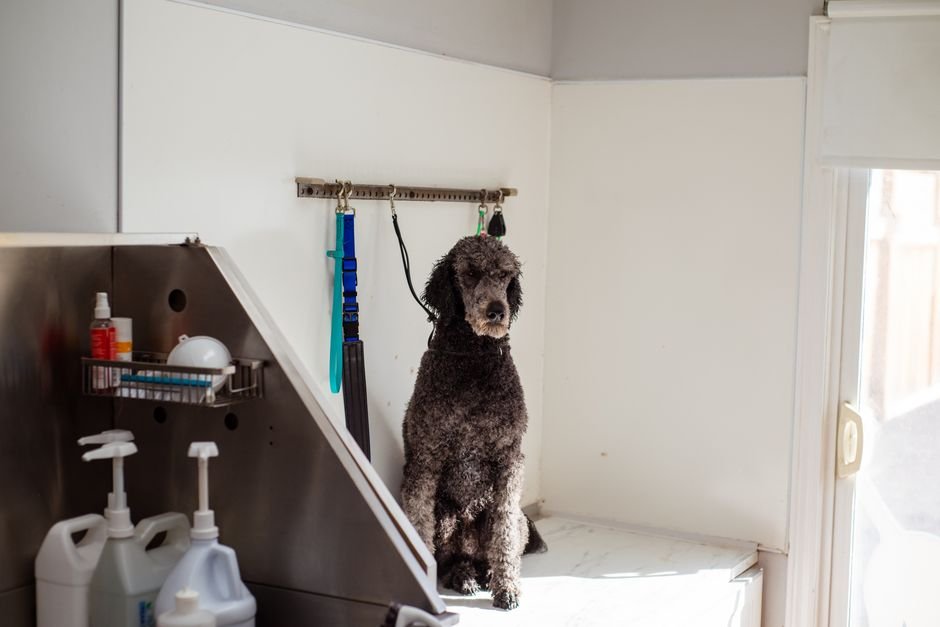
Occasionally the issue isn’t hygiene or preference — it’s possessiveness. A dog that plants itself next to the only water bowl and growls, stiffens, or blocks the cat from approaching is guarding a resource, and that behavior tends to escalate if it’s not addressed early.
The fastest fix is almost always physical separation rather than correction in the moment: add a second water source somewhere the guarding pet doesn’t frequent, rather than trying to train the behavior away from a single bowl. If guarding shows up at mealtimes too, it’s worth treating it as a broader resource-guarding pattern rather than a water-specific one — the same spacing and station principles in our feeding section apply.
Signs Your Current Water Setup Isn’t Working
- Your cat’s water bowl looks untouched or low for days at a time, even though the bowl is accessible.
- There’s always a puddle around the shared bowl, and you’re wiping the same spot daily.
- Your cat drinks almost exclusively from the toilet, a dripping faucet, or a glass left on a counter — all signs the main bowl has fallen out of favor.
- Your dog waits by, blocks, or reacts tensely around the water bowl when the cat approaches.
- You’ve noticed your cat visiting the litter box more than drinking, which can point to low water intake overall.
Quick Checklist for a Dual Water Station
- One wide, shallow bowl or fountain for the cat, placed away from food and foot traffic.
- One sturdier bowl or elevated stand for the dog, kept in its existing feeding spot.
- At least one separation method between the two — distance, elevation, a barrier, or a cat flap.
- A non-slip mat under the dog’s bowl to limit splash spreading toward the cat’s area.
- A weekly rinse-and-refill routine for both sources, since stagnant water puts off cats faster than dogs.
Gear that makes this easier
One Roof Paws is reader-supported. If you buy through the links below we may earn a small commission at no extra cost to you. We only suggest gear that fits the advice on this page.
These links open Amazon US. Search cards show product types, not tested winners. Check dimensions, suitability, shipping and availability before buying.
Frequently asked questions
Is it bad for a dog to drink from a cat’s water bowl?
Generally no — it’s not harmful for a dog to drink from a cat’s water bowl occasionally. The more common issue is the reverse: a cat avoiding a bowl a dog has been drinking from, because the water seems less clean or fresh to the cat.
Why won’t my cat drink from the same bowl as my dog?
Cats are sensitive to water clarity, smell, and whisker contact with the bowl’s sides, and a dog’s drinking style tends to cloud the water and leave debris behind. A cat that avoids a shared bowl is usually making a preference choice, not being dramatic.
Can a dog get sick from drinking out of a cat water fountain?
A dog drinking from a cat fountain isn’t typically dangerous on its own, but repeated access can damage the fountain’s pump, tip the unit, or lead the dog to drink more than it needs simply because the water is moving and appealing.
How many water bowls do I need for one cat and one dog?
Most multi-pet households do best with at least two separate water sources — one near the dog’s usual feeding spot and one in a quieter area for the cat — rather than relying on a single shared bowl.
Should water bowls be placed next to food bowls in a multi-pet home?
It depends on the pet — dogs are usually fine with water right next to food, but cats often prefer their water a few feet away from their food bowl, which lines up with their natural instinct to avoid drinking near a ‘kill site.’
Looking for more ways to make mealtime work for both pets? Browse the full feeding category guide for every station, schedule, and setup tip we’ve covered.
Sources and further reading
Diets and feeding plans must account for each animal’s nutritional needs. See WSAVA global nutrition guidelines.
The physical environment and opportunities for natural behaviour matter for cat welfare. See FelineVMA: meeting the needs of indoor cats.
These references provide background for the guidance above; they do not establish product testing or endorsement of a particular home layout. For individual health concerns, ask your veterinarian.
Better homes for cats, dogs, and the people who love both.