Dog Eating Cat Litter? Why Tracked Litter Is a Two-Pet Problem (and How to Fix It)
Tracked litter granules and dust aren’t just a mess on your floor — they’re something your dog can lick, chew, and eat every single day. Here’s the two-pet fix.
Dogs eat tracked cat litter because scattered granules and dust carry food and waste scent that reads as interesting rather than off-putting to a dog’s nose. It’s usually not an emergency in small amounts, but the fix isn’t just about keeping your dog out of the box — it’s choosing a low-dust, low-tracking litter and cleaning the floors, mats, and rugs the granules actually end up on.
Key takeaways
- ✓Litter tracking in a dog-and-cat home is a different problem than in a cat-only home — a dog roams the whole house, not just near the box, so tracked granules spread further.
- ✓Small amounts of tracked litter aren’t usually an emergency, but regular ingestion of clumping bentonite can cause mild digestive upset over time.
- ✓Granule size and weight matter more than brand loyalty — heavier, larger-granule litters track less than fine, sand-like formulas.
- ✓A two-mat system plus a daily floor check near the box does more to stop dog ingestion than any single ‘dog-proof’ box design.
- ✓Tracked litter dust ground into carpet fibers is its own odor source, separate from box smell — it needs its own cleaning routine.
Why Is My Dog Eating Cat Litter Off the Floor?
It looks alarming the first time you catch it — your dog, nose down, working over a few stray granules of litter that fell out of the box hours ago. But the behavior itself is fairly ordinary. Dogs are scavengers by instinct, and used litter carries faint traces of food and waste smell that reads as interesting rather than repulsive to a dog’s nose, similar to why dogs roll in strong-smelling things outdoors.
This is a genuinely different issue from a dog going straight into the box after solid waste, which we’ve covered separately in dog eating cat poop from the litter box. That’s about direct access to the box. This is about granules and dust that have already escaped it, sitting on your kitchen floor, your hallway rug, or ground into the carpet under your dog’s bed — places you may not think to check.
Is Cat Litter Dust Actually Bad for Dogs to Ingest?
Most modern litters aren’t acutely toxic in the tiny amounts a dog licks up off the floor. The bigger concern is repetition — clumping bentonite litter is designed to swell and absorb moisture, so regular small ingestions can occasionally cause mild digestive upset in a dog that’s constantly grazing on tracked granules rather than one-off exposure. For a full breakdown of which formulas carry more or less risk, our guide on whether cat litter is toxic to dogs covers it litter-by-litter.
There’s also an inhalation side to this that gets overlooked. Fine litter dust kicked up during digging settles on floors and gets stirred back into the air every time a dog walks through it, which can mildly irritate the airways of dogs with allergies or sensitive respiratory systems. If your dog seems to sneeze or paw at their face near the litter area, pairing a lower-dust litter with better filtering — something we go into in how litter dust and dog dander compound indoors — is worth doing together.
How Litter Tracking Becomes a Two-Pet Odor Problem
In a cat-only house, tracking is contained to a fairly small radius — cats groom their own paws quickly and don’t wander the whole home the way a dog does. Add a dog, and that radius expands dramatically. Every hallway, rug, and dog bed your dog visits after crossing the litter area picks up a few grains of dust, and over weeks that dust gets ground into carpet fibers and upholstery far from the box itself.
This is a genuinely separate smell source from the box odor most people focus on. You can keep the box itself immaculate and still have a lingering, hard-to-place odor coming from a rug three rooms away — because that’s where the tracked dust actually accumulated. It’s worth reading through our full Litter & Odour category if you’re chasing a smell you can’t quite locate.
Choosing a Low-Track, Low-Dust Litter That Works for Both Pets
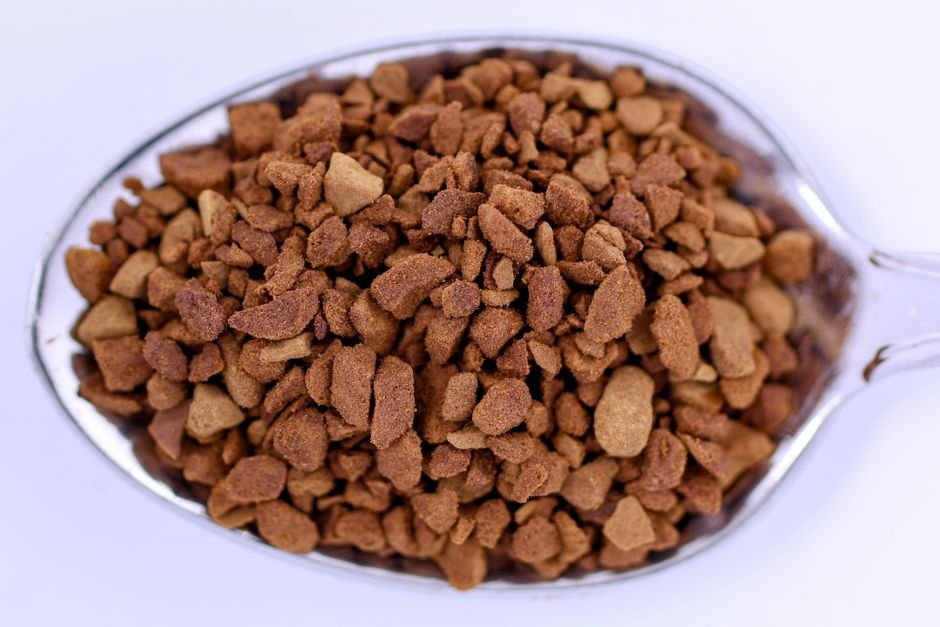
Granule size and weight are the biggest factors in how far litter travels on paws, more than brand or price point. Fine, sand-like litters cling to paw pads and fur and scatter easily; heavier, larger-granule formulas tend to fall off at the box edge instead of traveling. If tracking has been a constant issue, that’s usually the first thing to change before anything else.
Low-dust formulations matter just as much for a dog in the house, since a dog inhales and licks paws far more casually than most cats groom their own feet. Paper-based litters and some wood-pellet options are naturally lower-dust, though you may need to test a couple of brands, since not every cat accepts a texture change right away.
Building a Tracking Defense System: Mats, Barriers, and Placement
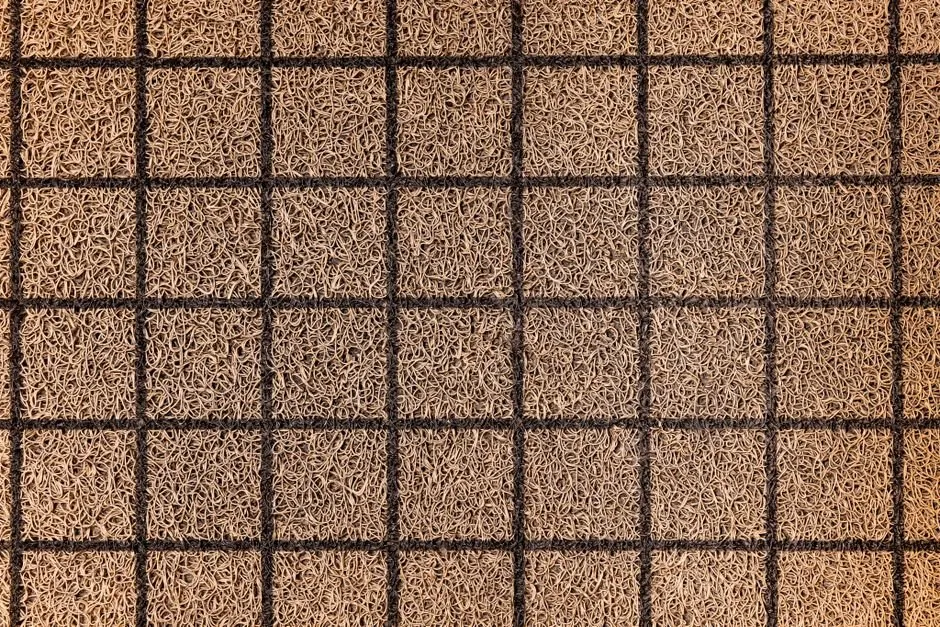
A single thin mat rarely solves tracking on its own. A two-mat system — one textured mat directly under the box lip to pull granules off paws as your cat exits, and a second larger mat a few feet further out to catch anything missed — traps noticeably more litter than one mat alone.
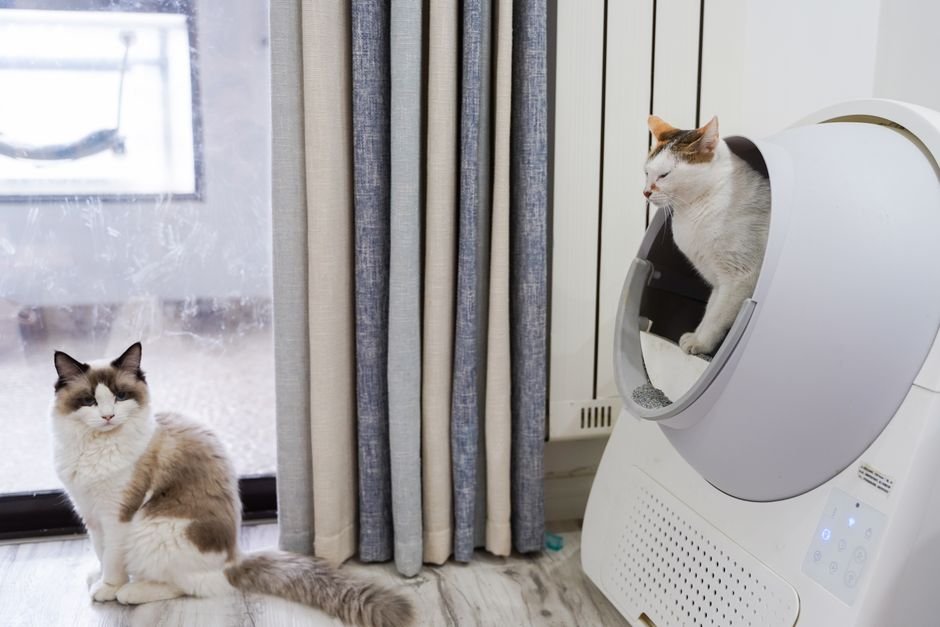
Where the box sits matters too. If it’s placed along a high-traffic path your dog uses constantly, tracking will always be worse than if it’s tucked into a lower-traffic corner. Covered boxes can help contain scatter during digging, but they come with a real trade-off worth understanding — we walk through it in covered vs open litter box with a dog. A physical barrier that keeps your dog a step further from the box entirely, without blocking your cat, is often the more reliable long-term fix.
Cleaning Routine for Tracked Litter in a Multi-Pet Home
Because tracked litter dust settles into carpet fibers rather than sitting on top like crumbs, a quick sweep often isn’t enough. Vacuuming the immediate area around the box daily, rather than waiting for a weekly deep clean, keeps dust from building up to the point where it’s visible and smellable across the room.
Don’t stop at the box radius, though — check your dog’s regular resting spots for the same dust, especially if their bed sits anywhere near the litter room. Washing bedding on a slightly more frequent rotation than you would in a cat-only home, and giving hard floors a damp mop rather than a dry sweep, picks up the fine dust that vacuuming alone can miss. Our full Cleaning guide has routines that work well alongside this.
Daily Two-Pet Litter Tracking Checklist
- Sweep or vacuum a few feet around the litter box each morning before your dog does their first lap of the house.
- Shake out or wash the litter mat weekly — trapped granules just sit there and keep transferring to paws otherwise.
- Wipe your dog’s paws after they cross the litter area, the same way you would after a muddy yard.
- Check baseboards and under nearby furniture — tracked dust settles low and hides in corners you won’t think to look.
- Wash your dog’s bed or blanket more often if it’s anywhere near the litter room, since dust travels on fur.
How to Switch to a Lower-Tracking Litter Without Upsetting Your Cat
- Mix about 25% of the new litter into the existing box for the first week so the texture change doesn’t spook your cat into avoiding it.
- Increase to 50%, then 75%, over the following two weeks, watching for any drop in how often your cat uses the box.
- Once you’re at 100% new litter, track results for a full week by checking the mat and surrounding floor daily.
- If tracking is still heavy, try a heavier-granule or pellet formula next — weight, not brand, is usually the deciding factor.
Gear that makes this easier
One Roof Paws is reader-supported. If you buy through the links below we may earn a small commission at no extra cost to you. We only suggest gear that fits the advice on this page.
These links open Amazon US. Search cards show product types, not tested winners. Check dimensions, suitability, shipping and availability before buying.

Frequently asked questions
Can a small amount of cat litter really hurt my dog?
Most modern litters aren’t acutely toxic in the tiny amounts a dog licks up off the floor, but repeated ingestion of clumping bentonite can cause mild digestive upset because it’s designed to swell and absorb moisture. If your dog eats a large mouthful directly from the box rather than trace granules off the floor, that’s worth watching closely or mentioning to your vet.
What’s the safest cat litter for a home with a dog?
Look for a low-dust, larger-granule litter — heavier pellets and clay blends marketed as low-tracking tend to stay in the box better and kick up less airborne dust than fine, sand-like litters. Paper-based and some wood-pellet litters are also lower-dust options, though you may need to test a couple of brands before your cat accepts one.
Why does my dog seem drawn to the smell of cat litter?
Dogs are natural scavengers with a strong interest in strong-smelling organic material, and used litter carries faint traces of food and waste scent that reads as interesting rather than repulsive to a dog’s nose. It’s the same instinct behind dogs rolling in stinky things outdoors — the litter box is just an indoor version of a smell worth investigating.
Will a covered litter box stop my dog from tracking litter everywhere?
A covered box can reduce how far granules scatter when your cat digs, but it also concentrates odor and means your cat has to walk further through litter on the way out, which can mean more granules stuck to paws initially. It’s a genuine trade-off rather than a simple fix, worth weighing based on your specific layout.
Can breathing in litter dust cause problems for dogs?
Fine litter dust that gets kicked up during digging and ground into carpet can be a mild respiratory irritant for dogs with sensitive airways or allergies, much like general household dust and dander. It’s rarely a serious issue on its own, but pairing a lower-dust litter with better air filtering in shared spaces makes a noticeable difference over time.
For more ways to keep litter contained, odor down, and both pets safe, browse our full Litter & Odour category guide.
Sources and further reading
The physical environment and opportunities for natural behaviour matter for cat welfare. See FelineVMA: meeting the needs of indoor cats.
Follow cleaning-product labels and keep pets away during use and from residues. See ASPCA: poisonous household products.
These references provide background for the guidance above; they do not establish product testing or endorsement of a particular home layout. For individual health concerns, ask your veterinarian.

Better homes for cats, dogs, and the people who love both.