How to Keep Your Dog Out of the Litter Box (and Keep It Clean and Odour-Free)
A practical, cleaning-first guide on how to keep your dog out of the litter box, stop tracked litter, and control the compounded smell in a cat-and-dog home
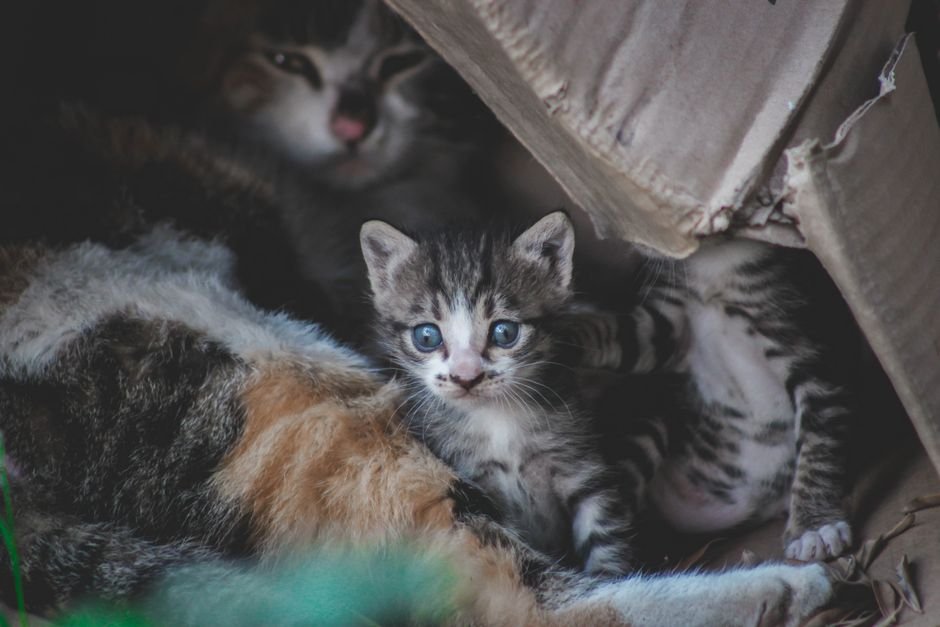
To keep your dog out of the litter box, use physical barriers the cat can pass but the dog can’t — a top-entry or high-sided covered box, a baby gate with a cat-sized gap, or a box placed on a raised surface or behind a pet door. Pair that with daily scooping and an enzyme cleaner safe for both animals to control the tracked litter and compounded odour that a dog-accessible box creates.
Key takeaways
- ✓The real problem in a two-pet home isn’t just behaviour — it’s cleaning: a dog-accessible box means tracked litter, contamination, and worse smell.
- ✓Blocking access works best through placement and box design, not scolding; the goal is a route your cat can use easily but your dog can’t.
- ✓Top-entry and high-sided boxes plus a large litter mat dramatically reduce both dog raiding and litter scatter.
- ✓Scoop at least once daily and use an enzyme cleaner safe for cats and dogs to break down odour at the source.
- ✓Never restrict your cat’s access to reduce the dog’s — a hard-to-reach box can make a cat stop using it entirely.
Why is the litter box a cleaning problem in a dog household?
In a cat-only home, the litter box is a tidy routine: scoop, top up, done. Add a dog and it becomes a cleaning problem with three moving parts. First, dogs raid the box — and a disturbed, dug-through box tracks litter across the floor and fouls faster. Second, there’s contamination: a dog nosing (or eating) from the box spreads bacteria and litter dust onto paws, carpet, and eventually your furniture. Third, all of this compounds the odour, because a box that’s been dug into and scattered smells far worse than one that’s simply been used and scooped.
That’s why the fix isn’t only about training the dog to leave it alone. It’s about designing the box and its location so the mess never starts. If you’ve been treating your dog’s interest in the box purely as a bad habit, reframing it as a cleaning-and-access challenge tends to solve it faster. We cover the behaviour side too in our guide to why dogs eat cat poop from the litter box and how to stop it safely.
How do you physically keep a dog out of the litter box?
The most reliable methods all rely on one principle: create a path your cat can take that your dog physically cannot. Cats climb, squeeze, and jump; most dogs can’t follow through a small gap or over a high wall. You’re engineering an access mismatch, not asking your dog to show restraint around something that smells fascinating to them.
Placement is your first lever. A box on a washer, a sturdy shelf, or inside a closet with a cat-sized pet door instantly rules out most medium and large dogs. For small dogs, you’ll lean harder on box design — a high-sided or top-entry box — since they can reach places big dogs can’t. Our detailed walkthrough on how to dog-proof the litter box without odour pairs well with this, and where to put the litter box when you have a dog covers room-by-room placement ideas.
Whatever barrier you choose, test it with your cat before you rely on it. Older, arthritic, or large cats may struggle with a top-entry lid or a high jump, and a cat that finds the box awkward will simply go elsewhere — which is a far bigger cleaning disaster than a curious dog. Introduce the new setup gradually and keep the old arrangement available for a few days so your cat can transition at their own pace.
Barrier setups that keep the dog out (ranked by how well they work)
- Top-entry litter box: the cat jumps in through a hole in the lid; most dogs can’t, and it slashes litter scatter at the same time.
- High-sided covered box tucked into a corner: blocks casual raiding and hides the contents from your dog’s line of sight and nose.
- Baby gate with a cat-sized gap at the bottom or a cat door cut in: lets the cat pass freely while stopping the dog.
- Box on a raised surface (washer, sturdy shelf, low platform) the cat can jump to but the dog can’t reach.
- Closet or spare-room door propped open a few inches, or fitted with a cat flap, so only the cat gets through.
- Motion-activated deterrent as a backup — useful for stubborn small dogs, but never a substitute for a real physical barrier.
Your daily and weekly cleaning routine
- Scoop at least once daily — twice is better in a two-pet home where a fouled box invites more dog interest.
- Place a large, textured litter mat directly under the exit to catch tracked granules before they spread.
- Wipe the mat and sweep or vacuum around the box daily to stop litter migrating onto carpet and paws.
- Fully empty, wash, and dry the box weekly, then refill with fresh litter.
- Use an enzyme-based cleaner rated safe for cats and dogs on the box, mat, and any accidents — it breaks down odour at the source instead of masking it.
- Store litter and scoop in a sealed container the dog can’t open or knock over.
Frequently asked questions
How do I keep my dog out of the litter box without upsetting my cat?
Focus on access barriers that are effortless for your cat but impossible for your dog — a cat-sized gap in a gate, a top-entry box, or a raised location. Always test the setup with your cat first and transition slowly, because a box your cat finds hard to reach can cause them to stop using it altogether.
What’s the best litter box for a cat-and-dog household?
A top-entry or high-sided covered box is usually best, because it blocks most dogs from reaching in while dramatically cutting the tracked litter that a dog would otherwise spread. Match the box to your cat’s age and mobility — very high entries can be difficult for older or larger cats.
Where should I place the litter box so the dog can’t reach it?
Choose a spot your cat can access by climbing or squeezing that your dog can’t follow: a raised surface, a closet or room behind a cat flap, or an area gated off with a cat-sized opening. Keep it away from the dog’s feeding and resting areas to reduce interest and cross-traffic.
How do I stop litter from being tracked all over the house?
Use a top-entry box or high sides to contain scatter, place a large textured litter mat right at the exit, and scoop at least daily. Sweep or vacuum around the box every day so stray granules don’t migrate onto carpet, paws, or furniture.
Is it dangerous if my dog eats from the litter box?
Eating litter or waste can cause digestive upset and spreads bacteria and litter dust around your home, so it’s worth stopping promptly. Block access with barriers and keep the box scooped; if your dog seems unwell or the behaviour is frequent, check in with your veterinarian for tailored advice.
For more room-by-room fixes that keep a two-pet home fresh, explore our full Cleaning guide.
Sources and further reading
Follow cleaning-product labels and keep pets away during use and from residues. See ASPCA: poisonous household products.
Filtration complements source control and particle filters do not remove every gas. See US EPA: air cleaners and air filters in the home.
These references provide background for the guidance above; they do not establish product testing or endorsement of a particular home layout. For individual health concerns, ask your veterinarian.

Better homes for cats, dogs, and the people who love both.