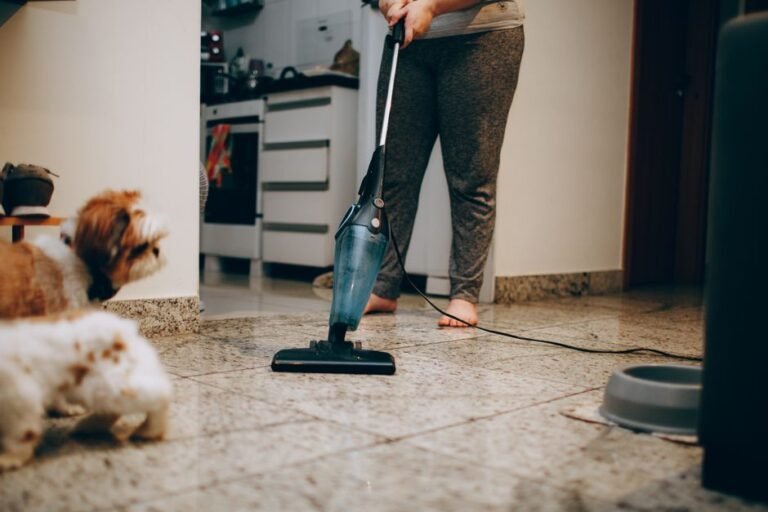
Cat Smell vs Dog Smell in House: How to Tell Which Pet the Odour Is Coming From (and Fix Each One)
A sniff-test diagnosis for dual-pet homes: figure out whether cat smell vs dog smell in your house is the real culprit, then use the right pet-safe fix
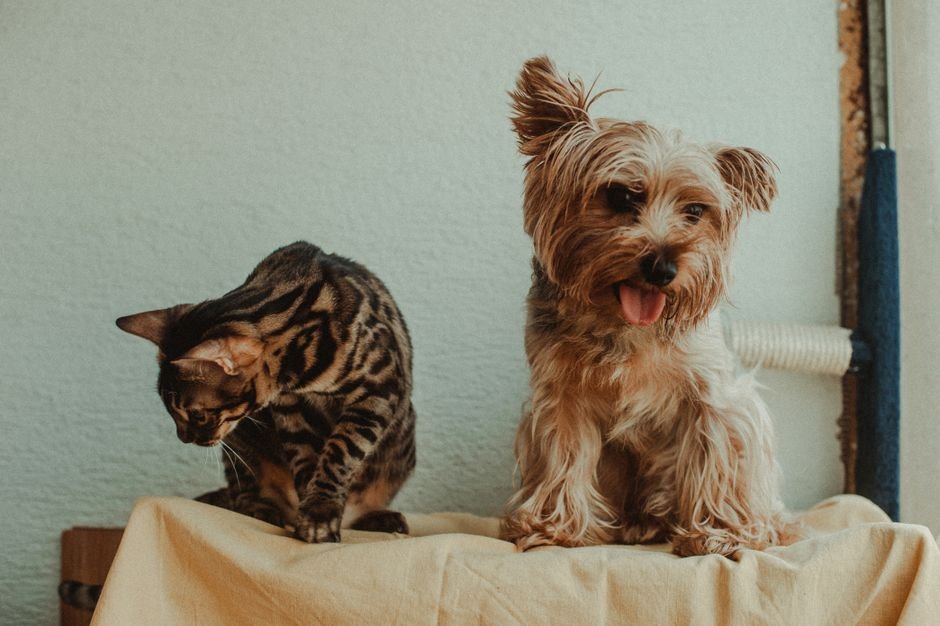
Cat smell is usually sharp and ammonia-like, coming from urine, litter, and the litter box, and it responds best to enzyme cleaners that break down the odour molecules. Dog smell is oilier and muskier — think “wet dog” — caused by skin oils, dander, and bacteria on bedding and fur, and it responds to degreasing washes, regular grooming, and washing fabrics. Diagnosing which pet a smell comes from before you clean saves you from using the wrong product on the wrong problem.
Key takeaways
- ✓Cat odour is sharp and ammonia-based (urine/litter); dog odour is oily and musky (skin oils, dander, wet-dog bacteria) — they need different chemistry.
- ✓A quick sniff test near the litter box, bedding, carpet, and your pets themselves usually pinpoints the source in minutes.
- ✓Enzyme cleaners are the fix for cat urine; regular grooming and washing fabrics is the fix for dog musk.
- ✓Vinegar and enzyme cleaners can cancel each other out — never layer them on the same spot.
- ✓In a two-pet home, control odour at the source (litter box, bedding, grooming) instead of masking it with sprays.
Why cat smell and dog smell are actually two different problems
If you share your home with both a cat and a dog, you’ve probably done the thing where you walk in, catch a whiff, and can’t tell whether it’s the litter box or the dog bed. Most “banish pet odour” articles won’t help you here, because they treat pet smell as one undifferentiated thing. It isn’t. Cat odour and dog odour come from different sources and are chemically different — so the same cleaner won’t fix both.
Cat smell is dominated by urine and litter. Cat urine is concentrated and, as it breaks down, releases ammonia — that sharp, eye-watering, unmistakable tang. It clings to soft surfaces and hides in grout and subfloors. Dog smell, on the other hand, is mostly about skin oils, dander, and the bacteria and yeast that live naturally on a dog’s coat. Add moisture and you get the classic “wet dog” musk. It’s oilier, heavier, and it soaks into bedding, carpet, and upholstery rather than announcing itself as a single hotspot.
Because the two smells have different chemistry, they need different fixes. Ammonia-based cat odour needs enzyme cleaners that literally digest the odour compounds. Oily dog musk needs degreasing and fabric washing plus grooming at the source. Use a fabric spray on cat urine and you’ve just perfumed the problem; use an enzyme cleaner on a greasy dog bed and you’ve under-treated it. Diagnosis first, then treatment.
The 5-minute sniff test: is it the cat or the dog?
- Start at the litter box. If the smell is sharpest here and hits the back of your nose like ammonia, you’re dealing with cat odour — likely urine that’s saturated the litter, the box, or the floor around it.
- Check the dog’s bed and favourite spots. Press your nose to the fabric. A musky, slightly greasy, “warm animal” smell that intensifies when damp is dog odour from skin oils and dander.
- Sniff the carpet and rug edges near where each pet lies. Cat urine accidents smell sharp and localised; dog smell is a broader, oilier background funk soaked into the fibres.
- Smell your pets directly. A dog that smells strong right after a walk in the rain is your musk source. A cat rarely smells of much unless there’s a litter or health issue — cats are meticulous groomers.
- Notice how the smell behaves. Ammonia (cat) is a sharp spike that comes and goes with the litter box. Musk (dog) is a steady, humid, ever-present background note that gets worse in warm, damp weather.
How to Get Rid of Cat Smell for Good
Once you’ve confirmed it’s the cat, treat the ammonia at the source rather than the surface. Scoop daily and do a full litter change more often than the bag’s suggested cycle — clumping litter hides saturation until the smell is already established. If the smell persists after a clean box, check for accidents outside it: a splash zone at the box’s edge, a corner of carpet, or a spot near a baseboard the litter box used to sit closer to. Litter box placement matters here too, since a box tucked in a poorly ventilated corner traps odour that a more open spot would let dissipate.
For anywhere urine has actually soaked in — carpet, grout, subfloor — an enzyme cleaner is doing real chemical work, not just perfuming the spot: it breaks down the compounds that produce the ammonia smell rather than covering them. Saturate the area generously (surface-level spraying under-treats what soaked in below), let it sit for the time the product specifies, and resist the urge to scrub it in with a vinegar-based cleaner first, since mixing the two can cancel out the enzyme action before it gets to work.
How to Get Rid of Dog Smell for Good
Dog musk is a maintenance problem, not a one-time-clean problem, since the oils and dander that cause it regenerate on their own between baths. A grooming routine matched to your dog’s coat type — regular brushing to remove loose dander before it settles into furniture, and bathing on a schedule rather than only when the smell becomes obvious — does more than any single deep clean.
Bedding and fabric are where dog smell actually lives day to day. Wash your dog’s bed weekly, not monthly, and use a degreasing detergent rather than a standard one, since regular detergent doesn’t fully lift the oil that’s soaked into the fabric. The same applies to any couch cushion or rug your dog favours. And always dry your dog thoroughly after a bath or a rainy walk — the “wet dog” smell specifically comes from bacteria and yeast that thrive on a damp coat, so cutting drying time short brings the smell right back within the hour. If cleaning products are part of the routine, check which ones are actually safe to use around both a cat and a dog before adding anything new.
Mistakes That Make Both Smells Worse, Not Better
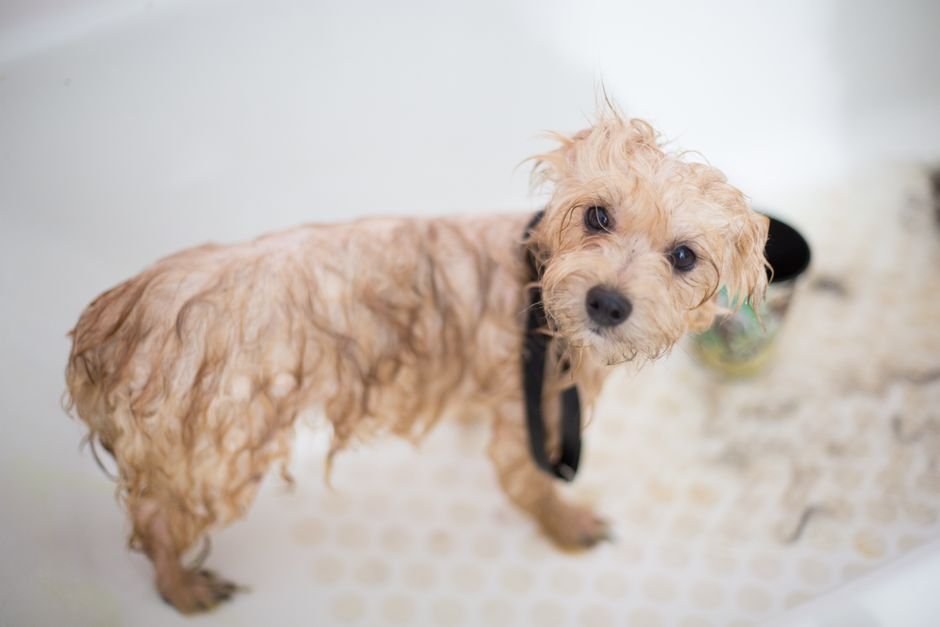
The most common mistake is treating the symptom you can smell right now instead of the source — a scented spray on a cat-urine spot or a general surfactant on a greasy dog bed both leave the actual problem intact underneath. The second most common is skipping the diagnosis step entirely and cleaning everywhere with one product, which wastes the enzyme cleaner’s chemistry on grease it can’t break down and the degreaser’s chemistry on ammonia it can’t touch.
Layering products is the other trap: mixing vinegar with an enzyme cleaner on the same spot, or spraying a fabric deodoriser over a litter box area, can neutralise the ingredient that was actually doing the work. And a box or bedding area with poor airflow undoes good cleaning fast — odour that would normally dissipate instead sits and re-settles into nearby fabric. A broader home cleaning routine for two-pet households covers the maintenance side of keeping both under control long-term, and if the litter box itself is the recurring flashpoint, dog-proofing it without making your cat avoid it is worth a look too.
Frequently asked questions
How do I know if the smell in my house is the cat or the dog?
Run a quick sniff test. Cat odour is sharp and ammonia-like and concentrates around the litter box or urine spots. Dog odour is oilier and muskier — a steady “wet dog” background smell coming from bedding, carpet, and the dog’s coat. If the smell spikes and fades with the litter box, it’s the cat; if it’s a constant humid musk, it’s the dog.
Why does my house smell like pets even after I clean?
Usually because you used the wrong product for the source. Masking sprays and general cleaners don’t break down cat-urine ammonia, and enzyme cleaners alone won’t degrease dog-oil buildup in fabrics. You also need to treat all the hiding spots — subfloor under litter accidents, dog bedding, and carpet padding — not just the surface. Clean at the source and match the chemistry to the smell.
Do I use the same cleaner for cat urine and dog smell?
No. Cat urine needs an enzyme cleaner that digests the ammonia-producing compounds. Dog musk needs degreasing washes for fabrics plus regular grooming and bedding laundering. Avoid mixing vinegar with enzyme cleaners on the same spot — they can undermine each other. Choose products that are clearly pet-safe for both species.
Is wet-dog smell a sign something is wrong with my dog?
Occasional wet-dog musk after rain or a bath is normal — it’s bacteria and yeast on a damp coat. But a persistent strong odour, greasy coat, or smell from the ears or skin can signal a skin or ear issue worth a vet check. Regular grooming and thorough drying after baths keep normal odour under control.
Can I just use air fresheners to cover both smells?
Air fresheners only mask odour temporarily and can irritate pets — cats especially are sensitive to strong scents and some essential oils. They don’t remove the source. You’ll get far better, longer-lasting results by diagnosing the source and treating it directly, then using ventilation to keep air moving.
Ready to tackle the whole home? Explore our full Cleaning guide for cat-and-dog households.}
Sources and further reading
Follow cleaning-product labels and keep pets away during use and from residues. See ASPCA: poisonous household products.
Filtration complements source control and particle filters do not remove every gas. See US EPA: air cleaners and air filters in the home.
The physical environment and opportunities for natural behaviour matter for cat welfare. See FelineVMA: meeting the needs of indoor cats.
These references provide background for the guidance above; they do not establish product testing or endorsement of a particular home layout. For individual health concerns, ask your veterinarian.

Better homes for cats, dogs, and the people who love both.