
Flying With a Cat and a Dog Together: Airline Rules, Carrier Setup & Getting Through Security
A solo owner’s guide to flying with a cat and a dog on the same trip — the one-pet-per-passenger cap, carrier setup, and the airport security walkthrough
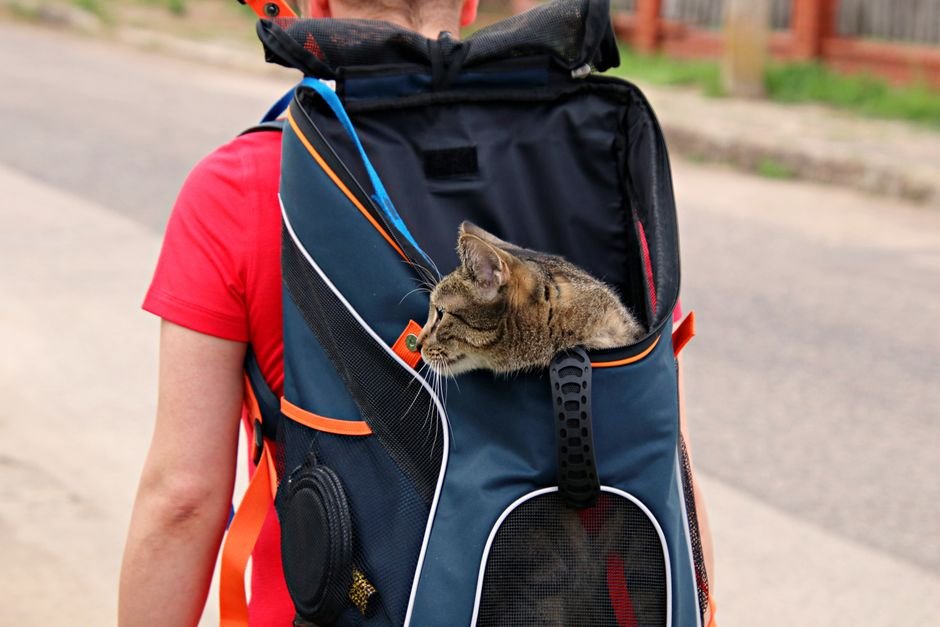
You can fly with a cat and a dog on the same trip, but most airlines limit each passenger to one pet carrier in the cabin — so a solo traveler usually needs a second person flying with them, or must place one pet in cargo. Always confirm your specific airline’s per-passenger pet limit before booking, reserve both spots in advance, and prepare a separate health certificate for each animal.
Key takeaways
- ✓Nearly every airline caps in-cabin pets at one carrier per passenger, so two pets on one ticket is usually not allowed — you need a second traveler or a cargo booking.
- ✓Call the airline to reserve pet spots before you buy tickets; cabins have a hard limit on total animals per flight and they sell out.
- ✓Each pet needs its own airline-compliant carrier, its own health certificate, and its own reservation — nothing is shared between them.
- ✓At security, pets come out of carriers and go through the walk-through metal detector in your arms while the empty carrier rides the X-ray belt.
- ✓Keep the cat and dog in separate carriers the entire time, even if they’re bonded at home — travel stress changes behavior.
Can one person fly with both a cat and a dog at the same time?
Here’s the rule almost no single-pet guide mentions: the overwhelming majority of airlines allow only one pet carrier per passenger in the cabin. That means if you’re flying solo, you generally cannot bring both your cat and your dog in the cabin on your own ticket — the animals aren’t counted together as one carry-on, and they can’t share a carrier.
This leaves you three realistic options. First, fly with a companion, so each person carries one pet in-cabin. Second, book one pet in the cabin and the other in climate-controlled cargo (availability and safety vary widely by airline, breed, and season). Third, split the animals across two separate trips or use a professional pet transport service. There’s no universal workaround — the right choice depends entirely on your airline and your specific pets.
Before you fall in love with a fare, call the airline directly. Ask two things: how many pets they allow per passenger in-cabin, and how many total animals are permitted on your specific flight. That second number is a hard cap, it fills up fast, and it’s the reason booking early matters so much.
Reserve pet spots before you book your seat
Pet reservations are separate from your ticket and are almost always first-come, first-served. A typical narrow-body flight might allow only a handful of in-cabin pets total across the whole plane. If you’re bringing two animals, you’re claiming two of those limited slots, so you’re competing for scarcer space than a single-pet traveler.
Book the moment your plans are firm. Pay the per-pet fee for each animal — expect to pay twice, once for the cat and once for the dog, with no multi-pet discount. Get a confirmation number for each reservation and write down the name of the agent you spoke with. On travel day, that paper trail is what saves you if a gate agent questions your booking.
If you’re using cargo for one pet, understand it’s booked through a different department with stricter rules around temperature, breed restrictions (especially short-nosed breeds), and crate specifications. Treat it as a completely separate process running in parallel.
Carrier setup: one compliant carrier per animal
Each pet needs its own carrier that fits fully under the seat in front of you. In-cabin carriers must be soft-sided or hard-sided within the airline’s published dimensions — and those dimensions differ between airlines, so measure against the exact carrier requirements for your specific flight, not a generic size chart.
Size the carrier to the animal, not the other way around: your pet must be able to stand up, turn around, and lie down. A cat and a small dog will often each need slightly different carriers even if they weigh the same, because body shape and how they settle differ. Line each with an absorbent pad in case of accidents, and add one item that smells like home — a worn T-shirt works well.
Do a dress rehearsal at home in the weeks before. Leave both carriers open in a room the pets already share, feed near them, and let each animal nap inside voluntarily. If your cat and dog already coexist calmly in a well-organized shared living space, you’ve got a head start — but never let them share one carrier on the plane, no matter how bonded they are at home. Confinement stress can turn even best friends snappy.

How do you take a cat and a dog through airport security?
This is where a lot of two-pet travelers get flustered, so walk in with a plan. Your carriers go through the X-ray machine empty — your pets do not ride the belt. That means you have to physically remove both animals and carry them through the walk-through metal detector while the two empty carriers travel through the scanner.
The safe way to do this solo is one pet at a time. Put a harness and leash on the dog before you reach the checkpoint, and have the cat in a secure harness too. Take one animal out, hold it firmly, walk through, and — critically — don’t set anything down until you’re clear. Many experienced travelers ask the officer if they can be screened in a low-traffic area, and TSA-style agents can often accommodate a request to hold pets rather than put them down.
If you’re traveling with a companion, divide and conquer: one person manages the cat, the other the dog, and you tag-team the carriers onto the belt. A collapsible extra bag helps you consolidate leashes, pads, and treats quickly on the other side so you’re not blocking the line while repacking two animals.

Paperwork, health prep, and the day-of routine
Each animal needs its own documentation. That usually means a separate health certificate from your vet for the cat and one for the dog, each issued within the airline’s required window (often 10 days of travel for domestic flights, longer and more complex for international). Rabies and vaccination records should be current and easy to pull up. Never assume one document covers both pets — it doesn’t.
Feed a light meal several hours before departure rather than right before, and offer water up until you leave for the airport. Skip sedatives unless your veterinarian specifically prescribes them for air travel — many vets advise against sedation at altitude. A short vet chat well before the trip is worth it for tailored, animal-specific guidance.
Build extra time into everything. Two pets means double the check-in questions, double the security handling, and double the bathroom stops. Give the dog a walk right before you enter the terminal, and if your cat is litter-trained to travel, a quick pre-flight setup in a family restroom can prevent an in-flight accident.
Two-pet air travel checklist
- Confirm your airline’s per-passenger in-cabin pet limit — assume it’s one until told otherwise
- Reserve and pay for both pet spots the moment plans are firm; save both confirmation numbers
- One airline-compliant carrier per animal, measured to fit under the seat
- A separate health certificate and current vaccination records for each pet, within the airline’s date window
- Harness and leash on both animals before you reach security
- Absorbent pads, a familiar-smelling item, and treats packed for each carrier
- A collapsible bag to repack quickly after the security checkpoint
- Light meal a few hours before departure; water up until you leave home
Frequently asked questions
Can you fly with a cat and a dog at the same time?
Yes, but usually not both in the cabin on a single traveler’s ticket. Most airlines allow one pet carrier per passenger in-cabin, so a solo owner typically needs a second person to carry the second pet, or must book one pet into cargo. Always confirm the exact policy with your airline before booking.
Do a cat and a dog count as one carry-on together?
No. Each animal needs its own carrier, its own reservation, and its own pet fee. They are never counted or combined as a single carry-on, and airlines will not allow two animals to share one carrier in the cabin.
How much does it cost to fly with both a cat and a dog?
Expect to pay the per-pet fee twice — once for each animal — with no multi-pet discount on most airlines. In-cabin fees are typically charged each way, so budget for the round trip for both the cat and the dog, plus any cargo fees if one pet flies in the hold.
Should I sedate my cat or dog before flying?
Generally no, unless your veterinarian specifically prescribes it for air travel. Many vets advise against sedation because it can affect breathing and temperature regulation at altitude. Talk to your vet well before the trip for advice tailored to each animal.
Can my cat and dog share a carrier if they’re bonded at home?
No — keep them in separate carriers even if they’re inseparable at home. Travel stress, confinement, and unfamiliar noise can change behavior fast, and airlines require one pet per carrier anyway. Separate carriers keep both animals safer.
For more on getting both animals from A to B calmly, explore our full Travel guide for cat-and-dog households.
Sources and further reading
Check official departure and destination requirements for each animal before international travel. See GOV.UK: taking pets abroad.
Arrival rules differ from departure rules; check the current route-specific requirements. See GOV.UK: bringing a pet to Great Britain.
These references provide background for the guidance above; they do not establish product testing or endorsement of a particular home layout. For individual health concerns, ask your veterinarian.

Better homes for cats, dogs, and the people who love both.