Cat and Dog in the Same Car: How to Set Up Your Vehicle for a Stress-Free Road Trip
A vehicle layout and hour-by-hour plan for a stress-free road trip with a cat and dog sharing one car
To road trip with a cat and dog in the same car, place the cat in a secured, covered carrier in a stable back-seat spot and keep the dog crated or harnessed on the opposite side so it can’t crowd the carrier. Run staggered breaks — offer the dog potty and water first, then give the cat quiet litter access separately — and use calming routines tuned to each species rather than one blanket approach.
Key takeaways
- ✓A cat and a dog are different travelers: the dog usually wants closeness, the cat wants a covered, stable hideaway — set up the car around both needs.
- ✓Physical separation is the whole game — the cat’s carrier goes on one side, the dog is crated or harnessed on the other, ideally with a barrier between.
- ✓Stagger your stops: dog gets a potty-and-water break first, then the cat gets quiet, separate litter access in a sealed car with doors closed.
- ✓Calming protocols aren’t one-size-fits-all — a familiar-scent carrier cover for the cat and a chew or long-lasting toy for the dog beat a single strategy.
- ✓Do at least one short practice drive with both pets loaded exactly as they’ll travel before committing to a long trip.
Why a cat and a dog need completely different setups
Here’s the thing almost every travel checklist gets wrong: it treats “pets” as one category. But a dog and a cat approach a moving car in nearly opposite ways. Most dogs are content simply being near you — they’ll watch the road, doze, and settle once the motion becomes routine. Cats, on the other hand, read a moving vehicle as a loss of control over their environment, and their instinct is to hide, not to explore.
That single difference drives every decision you’ll make. The dog needs a secure spot with a view and access to you. The cat needs the opposite: an enclosed, covered space where it feels invisible and can’t see the dog. If you build your car around only one of those needs — which is what happens when you follow a dog-first guide and just add the cat — one animal spends the whole trip stressed. This post is a companion to our broader overview on how to travel with both a cat and a dog; here we go one layer deeper into the actual vehicle execution.
How do you set up the car so a cat and dog stay separate?
Think of your back seat (or cargo area, in an SUV) as two zones with a buffer between them. The goal is that neither animal can reach, paw at, or breathe directly into the other’s space during the drive.
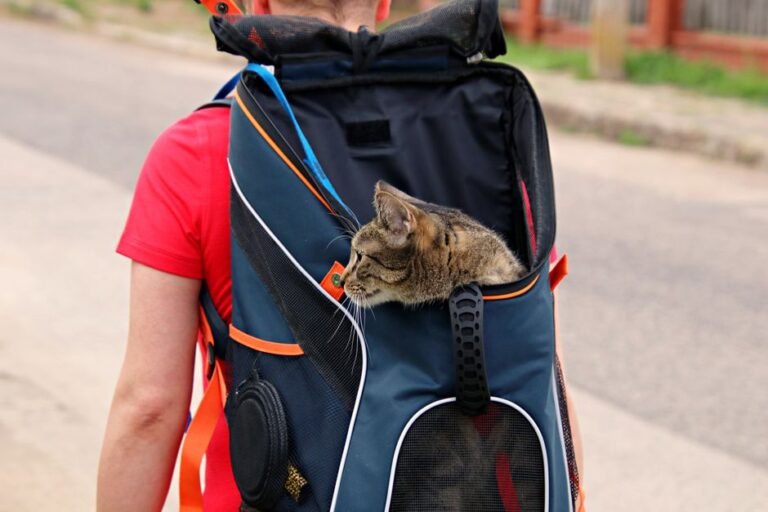
Put the cat’s carrier on one side, secured with a seatbelt threaded through the handle or strap so it can’t slide or tip. Drape a light, breathable cover over three sides — leaving the front open for airflow — so the cat sees a den, not a dog. Place the dog on the opposite side, either in its own crate or clipped in with a crash-tested harness anchored to the seatbelt. The dog stays put, the cat stays hidden, and the physical distance stops the classic problem of a curious nose pressed against the carrier door.
If your vehicle allows it, a mesh or solid pet barrier between the two zones is the single best upgrade you can make — it removes the temptation entirely and lets you relax while driving. The same separation logic you use at home, like the setups in our guide to sharing a living room between a cat and dog, applies in miniature inside the car.
A quick note on the front seat: keep both animals out of it. Airbags are dangerous for pets, and a loose cat under the pedals is a genuine emergency. Everyone rides in the back, secured, every time.
The carrier and crate: choosing and placing them
For the cat, a hard-sided carrier that’s large enough to stand and turn around in but small enough to feel enclosed is ideal. Line it with a piece of unwashed bedding or a worn t-shirt so it smells like home — familiar scent does more to calm a cat than almost anything else. Place a puppy pad underneath the liner in case of accidents, and never plan to let the cat roam loose “just for a bit” in a moving car.
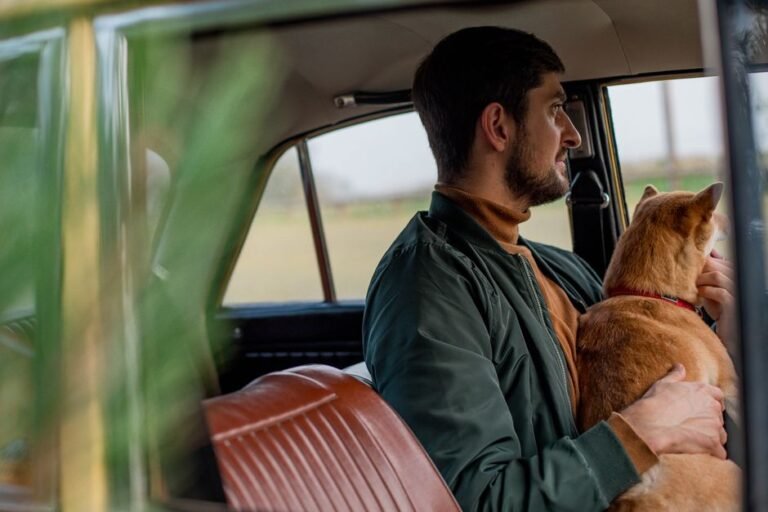
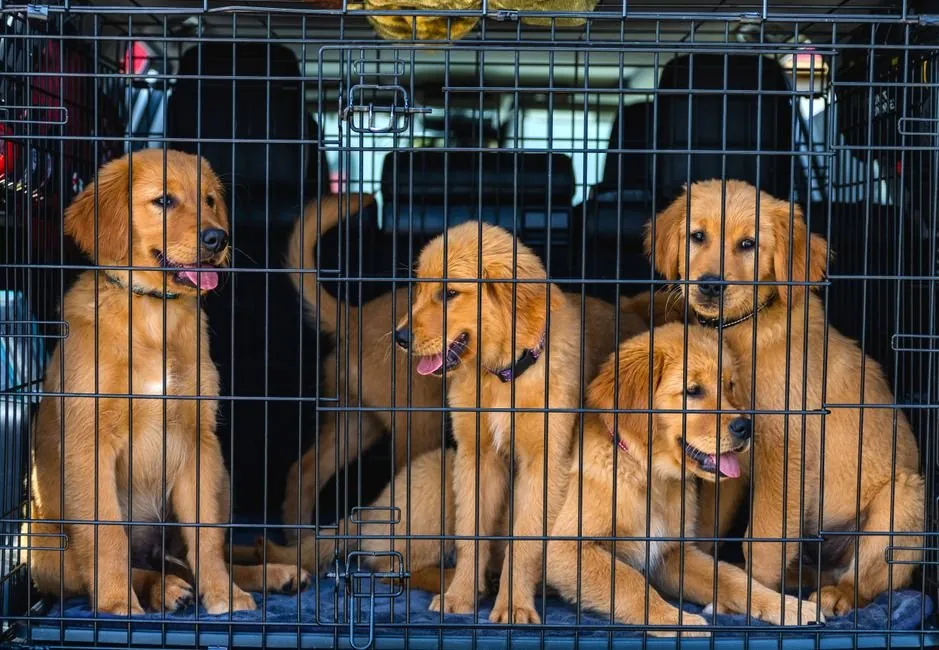
For the dog, size the crate or harness to the dog, not the trip. A crate should let the dog lie down comfortably; a harness should be snug enough that it can’t slip out but loose enough to breathe and shift position. Position the dog so it can see you if that settles it — many dogs calm dramatically once they can spot their person. If you’re investing in gear for the long haul, some of the tracking and monitoring tools in our roundup of smart pet tech for multi-pet homes are worth a look for peace of mind on the road.
How do you handle potty and litter breaks for both?
This is where the two-species trip gets logistically tricky, and the fix is to stagger everything. Never open two animals’ worlds at once in a rest area — that’s how a spooked cat bolts.
Start with the dog. Pull into a calm spot, leash the dog before opening any door, and take it out for a potty break and fresh water. Get the dog fully settled back in its zone before you touch the cat’s side.
Then handle the cat entirely inside the car. Roll up the windows, close all the doors, and confirm the dog is secured. Only then open the carrier and offer a small, low-sided disposable litter tray on the floor or seat. Give the cat quiet, unhurried time — many cats won’t use a tray with an audience, so this is not the moment to rush. When the cat is back in its carrier, you can move on. Managing litter on the road follows the same odor-and-placement thinking we cover in where to put the litter box when you have a dog.
Calming each animal without a single blanket approach
The most common question from two-pet owners is about calming — and the honest answer is that what soothes a dog and what soothes a cat are often different things. For the cat, environment does the heavy lifting: the covered carrier, familiar-smelling bedding, a stable position away from the dog, and minimal handling. Pheromone sprays applied to the bedding an hour before departure help many cats. For the dog, engagement works better — a long-lasting chew or a favorite toy, plus the reassurance of seeing you and hearing a calm voice.
Keep meals light on travel days to reduce carsickness for both, and offer water at every stop rather than leaving open bowls sloshing during the drive. If you’re rethinking feeding routines for the trip, our guides on feeding a cat and dog in the same room translate well to travel-day timing.
One firm caution: never give any sedative or calming medication without talking to your vet first. Sedation affects cats and dogs very differently, and the right call depends entirely on the individual animal — this is a conversation for your vet, not a decision to make from a forum thread.
Practice before the real trip
Don’t let the first time your cat and dog share a loaded car be a six-hour drive. Do at least one dry run: load both animals exactly as they’ll travel — cat in the covered carrier, dog crated or harnessed on the opposite side — and drive for 20 to 30 minutes. You’ll learn fast whether the dog fixates on the carrier, whether the cat panics, or whether the barrier needs adjusting.
Build up gradually. A few short outings that end with something good — home, treats, a meal — teach both animals that the car is temporary and safe, not a one-way trip to the vet. By the time the real road trip arrives, the whole setup feels routine, which is exactly what you want when you’re focused on driving.
Your in-car setup checklist
- Cat: hard-sided carrier, seatbelt-secured, three-sided breathable cover, familiar-smelling bedding, puppy pad underneath
- Dog: crate or crash-tested harness anchored to a seatbelt, on the opposite side from the cat
- A pet barrier or physical buffer between the two zones if your vehicle allows it
- Disposable low-sided litter tray plus bags and paper towels for in-car cat breaks
- Separate leash and water bowl for the dog, ready by the door for quick stops
- Both animals in the back — never the front seat
- Pheromone spray for the cat’s bedding and a long-lasting chew or toy for the dog
How to run a staggered rest stop
- Park in a calm spot away from traffic and confirm all doors are closed.
- Leash the dog before opening any door, then take it out for potty and water.
- Settle the dog fully back into its secured zone.
- With windows up and doors shut, open the cat’s carrier and offer the disposable litter tray.
- Give the cat quiet, unhurried time — no audience, no rushing.
- Return the cat to its covered carrier before you reopen any door and drive on.
Frequently asked questions
Can a cat and dog travel loose in the car together?
No. A loose cat can bolt at an open door or hide under the pedals, and an unsecured dog is a hazard in a sudden stop. Both should be secured — the cat in a covered carrier and the dog crated or harnessed — on opposite sides of the vehicle.
How do I stop my dog from bothering the cat’s carrier?
Create physical distance and a buffer. Place the carrier on one side and the crated or harnessed dog on the other, and use a mesh or solid pet barrier between them if your vehicle allows. Covering three sides of the cat’s carrier also removes the visual trigger that makes dogs crowd it.
Should I sedate my cat or dog for a long road trip?
Never give any sedative or calming medication without first consulting your vet. Cats and dogs respond very differently to these drugs, and the right choice depends on the individual animal’s health and temperament. For most pets, a familiar-scent carrier, physical separation, and short practice drives work better than medication.
How often should we stop when traveling with both a cat and a dog?
Plan a break roughly every two to three hours, and stagger it: give the dog its potty and water break first, then offer the cat quiet, separate litter access inside a sealed car with the doors closed. Keep meals light on travel days to reduce carsickness for both.
What’s the best car layout for a cat and dog on a road trip?
Split the back seat or cargo area into two zones with a buffer between. Secure the cat’s covered carrier on one side and crate or harness the dog on the opposite side, ideally with a barrier in between. Keep both animals out of the front seat entirely because of airbag risk.
Ready to plan the whole journey? Explore our full Travel guide for cat-and-dog households.
Sources and further reading
Check official departure and destination requirements for each animal before international travel. See GOV.UK: taking pets abroad.
Arrival rules differ from departure rules; check the current route-specific requirements. See GOV.UK: bringing a pet to Great Britain.
These references provide background for the guidance above; they do not establish product testing or endorsement of a particular home layout. For individual health concerns, ask your veterinarian.

Better homes for cats, dogs, and the people who love both.