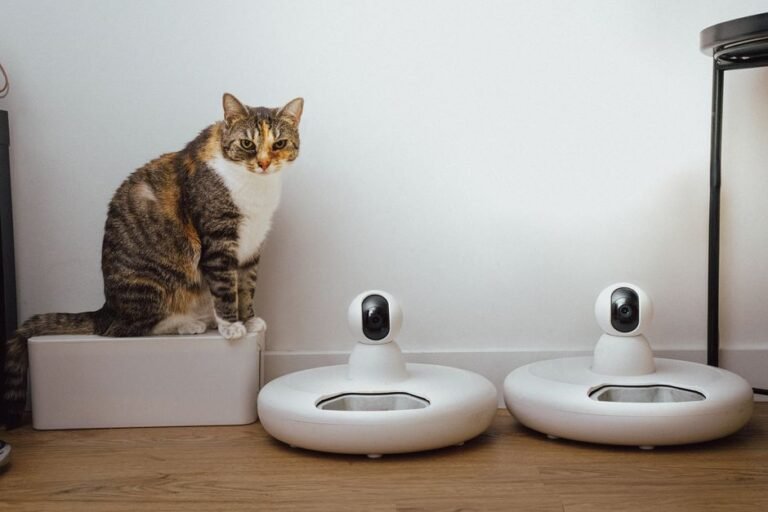
One Fountain, Two Species: How to Get Your Cat AND Dog to Actually Drink From the Same Smart Water Fountain
Choosing a cat and dog water fountain that survives the dog’s slobber while still tempting your fussy, whisker-sensitive cat to drink
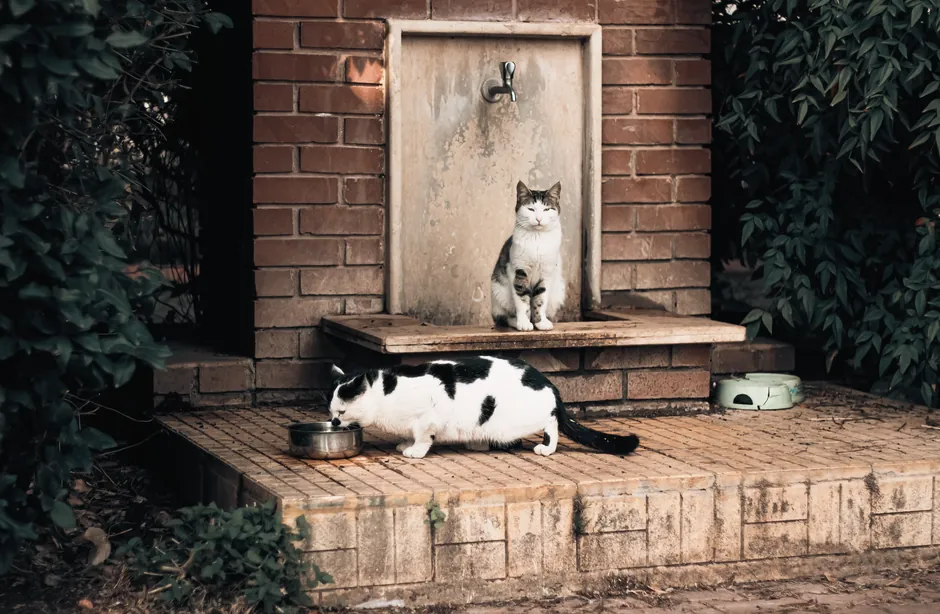
Yes, a cat and dog can share one water fountain, but only if it’s designed for both: a wide, stable, easy-to-clean basin with a low reservoir the dog can reach and a raised, gently flowing spout the cat prefers, plus a large capacity and strong filter to handle the extra drinking and drool. Place it away from food and litter, keep the flow quiet and the water genuinely clean, and most mixed households can run a single fountain successfully.
Key takeaways
- ✓Cats and dogs drink differently — cats want clean, gently running water at a comfortable height, while dogs care more about easy access and volume, so pick a fountain that offers both a low reservoir and a raised spout.
- ✓Capacity and filtration matter most in a two-species home: dog drool and hair clog filters fast, so choose a large-reservoir fountain you can clean quickly.
- ✓Don’t buy into the ‘running water makes pets drink more’ hype blindly — vets note the evidence is thin, so cleanliness and placement often matter more than gimmicks.
- ✓Placement beats gadgetry: keep the fountain away from feeding stations and litter, on a wipeable surface, and give your cat an escape route so the dog can’t corner it.
- ✓If the dog constantly hogs or fouls the fountain, add a second low-key water source for the dog rather than fighting over one bowl.
Why do cats and dogs drink so differently from the same fountain?
The reason one fountain so often fails in a mixed home comes down to biology and temperament. Cats are naturally cautious drinkers. In the wild they avoid water sitting near their food or in stagnant pools, and many house cats carry that instinct straight to your kitchen floor. They prefer clean, moving water at a height that doesn’t force their whiskers to brush the sides of a narrow bowl — a discomfort sometimes called whisker fatigue.
Dogs, by contrast, are volume drinkers. A medium or large dog can empty a small reservoir in a day, and most dogs simply don’t care if a bit of hair, kibble or dirt is floating in the water. They also drink messily — splashing, dribbling and leaving drool that a cat finds off-putting. So the exact same bowl that a dog happily gulps from can quietly become ‘contaminated’ in your cat’s eyes, and the cat just… stops drinking there.
This mismatch is the whole problem. Buy a sleek little fountain sized for a cat and the dog drains and fouls it within hours. Buy a big open trough for the dog and the cat won’t touch it. The trick isn’t picking a side — it’s choosing a fountain that answers both animals’ needs in one device.
Does running water actually make pets drink more?
It’s worth pushing back on the marketing here, because a cat-and-dog household deserves honest advice rather than hype. The popular claim is that pets instinctively drink more from flowing water. For cats, there’s some limited evidence that moving water can encourage a fussy drinker, but even veterinary behavior experts note the studies are small and far from conclusive. For dogs, there’s very little evidence that they prefer running water at all — most dogs will drink readily from a plain bowl.
So don’t buy a fountain expecting it to magically fix a hydration problem. What a good fountain reliably does is keep water cleaner and more appealing through constant filtration and circulation — and for a cautious cat, ‘cleaner and fresher’ is often exactly what tips them into drinking. Think of the fountain as a cleanliness-and-appeal tool, not a miracle hydration device.
If you’re genuinely worried about how much either pet is drinking, that’s a conversation for your vet, not a purchase decision. A fountain supports good hydration habits; it doesn’t replace veterinary judgment.
What to look for in a cat and dog water fountain
When one fountain has to serve both species, five features do the heavy lifting: basin design, drinking heights, capacity, filtration and cleanability. Get these right and you avoid the classic failure of buying two competing setups.
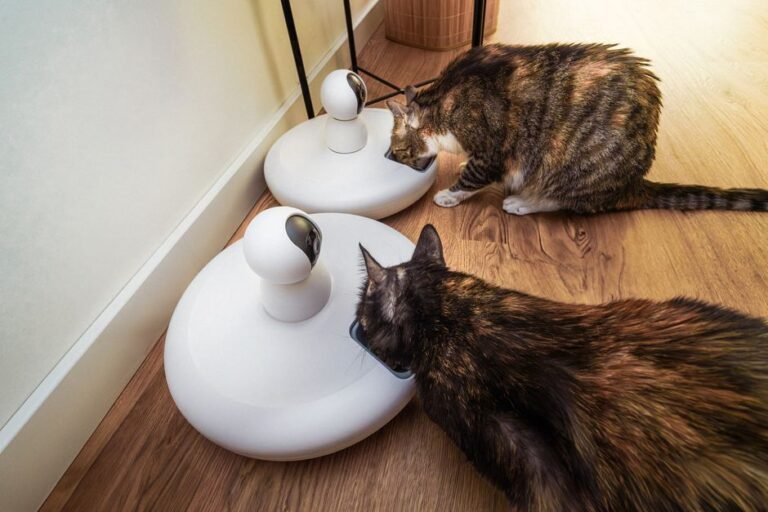
Basin and stability come first. You want a wide, low-center-of-gravity base that a bumping dog won’t tip and a cat can approach without feeling cramped. Look for a fountain that offers water at more than one level — a lower reservoir or pooled basin the dog can reach easily, plus a raised stream or upper bowl where the cat can drink cleanly above the splash zone. Multi-tier and 360-degree designs are popular for exactly this reason.
Capacity and filtration are where mixed homes get caught out. Two pets — especially if the dog is medium or large — drink far more than a single cat, so a tiny 1.5-cup fountain will run dry or need refilling constantly. Choose a larger reservoir, and expect to change or rinse filters more often, because dog drool, hair and food debris clog them faster. Finally, prioritize a fountain you can actually take apart and clean in a couple of minutes; a fountain that’s a chore to scrub is one you’ll neglect, and dirty water is the fastest way to make your cat quit.

Where should you place a shared fountain so both pets use it?
Placement quietly makes or breaks a shared fountain. The single most important rule: keep water away from both the feeding stations and the litter box. Cats instinctively avoid drinking near where they eat or eliminate, so a fountain parked next to the food bowls may get ignored no matter how good it is. If you’ve already mapped out separate feeding zones — and if not, our guide on where to put the cat’s food so the dog can’t reach it is a good place to start — set the fountain in a third, calmer spot.
Give your cat a safe approach. Cats don’t like being cornered while their head is down drinking, so avoid tight nooks where the dog could block the only exit. Position the fountain where the cat can see the room and slip away, ideally with a nearby raised surface or route the dog can’t follow. Owners building out separated territory often extend the same logic used in a dog-free cat sanctuary room to their water setup.
Put the fountain on a wipeable, waterproof surface. Between dog splash and the pump’s normal spillover, you’ll want a tray or mat underneath, and a floor you can clean without fuss — our roundup of cleaning products safe for cats and dogs is handy for keeping that zone hygienic without harsh chemicals near the water.
What if the dog hogs or dirties the cat’s fountain?
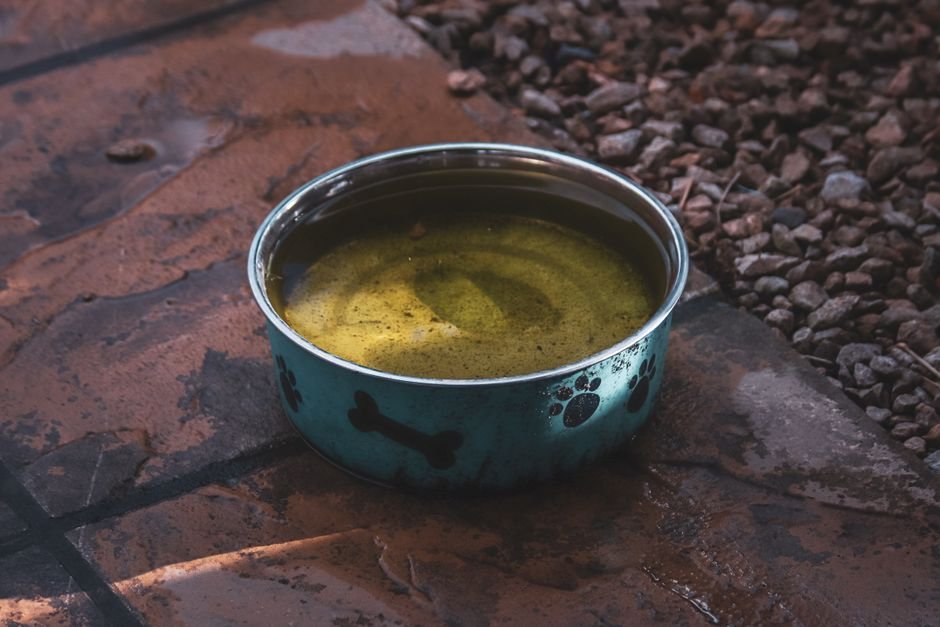
Sometimes, no single fountain fully solves it — a big enthusiastic dog can monopolize the water, drink it down and leave it fouled before the cat gets a look in. This is one of the most common questions from multi-pet owners, and the honest answer is that you don’t always have to force one shared source.
The simplest fix is to give the dog its own separate, boring water station — a large plain bowl in the dog’s main zone — so the fountain becomes the cat’s cleaner, quieter option. Many households run the fountain in the cat’s preferred area and a simple bowl where the dog spends most of its time, and the competition disappears. This mirrors the same ‘separate resources, shared home’ approach we recommend across the wider smart pet tech for multi-pet homes.
Avoid the tempting shortcuts that show up in online forums, like adding something to the water to deter the dog. Don’t. Anything strong enough to put a dog off drinking risks deterring your cat too — or worse. Keep the water plain and clean for both animals, and manage access through placement and a second bowl instead.
Quick checklist: setting up one fountain for a cat and a dog
- Choose a wide, stable, tip-resistant base a bumping dog won’t knock over.
- Look for two drinking levels — a low reservoir for the dog, a raised stream or upper bowl for the cat.
- Size up on capacity so it doesn’t run dry with two pets drinking.
- Pick a model you can fully disassemble and clean in under five minutes.
- Stock spare filters and change them more often than the box suggests — drool and hair clog them fast.
- Place it away from food bowls and the litter box.
- Set it on a waterproof mat over a wipeable floor.
- Give the cat a clear escape route so the dog can’t corner it.
- Add a separate plain bowl for the dog if it hogs or fouls the fountain.
Frequently asked questions
Can cats and dogs safely share the same water fountain?
Yes, most cats and dogs can safely share a fountain as long as the water is kept clean and the design suits both — a stable base, a low reservoir the dog can reach, and a raised, gently flowing spout the cat prefers. The main risks are the dog fouling the water faster than the cat will tolerate and the reservoir running dry, both solved by choosing a large-capacity, easy-to-clean model.
Why won’t my cat drink from the fountain after the dog uses it?
Cats are far more sensitive to contamination than dogs. Dog drool, hair and food debris left in the water can make a cat refuse it even when it looks fine to you. Clean and refill the fountain more frequently, position the cat’s drinking point above the dog’s splash zone, and if the problem persists, give the dog a separate bowl so the fountain stays cleaner for the cat.
How often should I clean a fountain used by both a cat and a dog?
More often than a single-pet fountain. Rinse the basin and wipe the pump every day or two, do a full disassembly and scrub weekly, and change or rinse the filter noticeably more often than the manufacturer suggests because dog drool and hair clog it quickly. A fountain that’s a hassle to clean is one you’ll neglect, and dirty water is the top reason cats quit drinking.
Is a bigger fountain always better for a multi-pet household?
Bigger capacity usually helps because two pets — especially a medium or large dog — drain water fast, so a larger reservoir means fewer dry-outs and refills. But don’t go so large that you can’t easily lift, empty and clean it, since frequent cleaning matters more than sheer size in a mixed home. Balance capacity against how simple it is to maintain.
Should I put anything in the water to stop my dog drinking from the cat’s fountain?
No. Anything strong enough to deter a dog can also deter your cat or cause stomach upset, and it’s not worth the risk. Instead, keep the water plain and clean and manage access through placement — give the dog its own separate bowl in its main area and keep the fountain in the cat’s calmer zone.
See the full Smart Pet Tech category guide for more gadgets that actually work in a two-species home: explore Smart Pet Tech.
Sources and further reading
Diets and feeding plans must account for each animal’s nutritional needs. See WSAVA global nutrition guidelines.
The physical environment and opportunities for natural behaviour matter for cat welfare. See FelineVMA: meeting the needs of indoor cats.
These references provide background for the guidance above; they do not establish product testing or endorsement of a particular home layout. For individual health concerns, ask your veterinarian.

Better homes for cats, dogs, and the people who love both.